In the further adventures of my dumpster-dived satellite dish, I aimed it at the GOES-16 weather satellite, about 22,000 miles away in geosynchronous orbit. It turns out that a commercial TV dish is a little too small for this particular use (TV sats are the same distance away but have much more powerful transmitters). I couldn’t find a big antique dish and didn’t want to pay money for a GOES-rated Wifi dish (which you can buy on Amazon), so I made mine bigger!
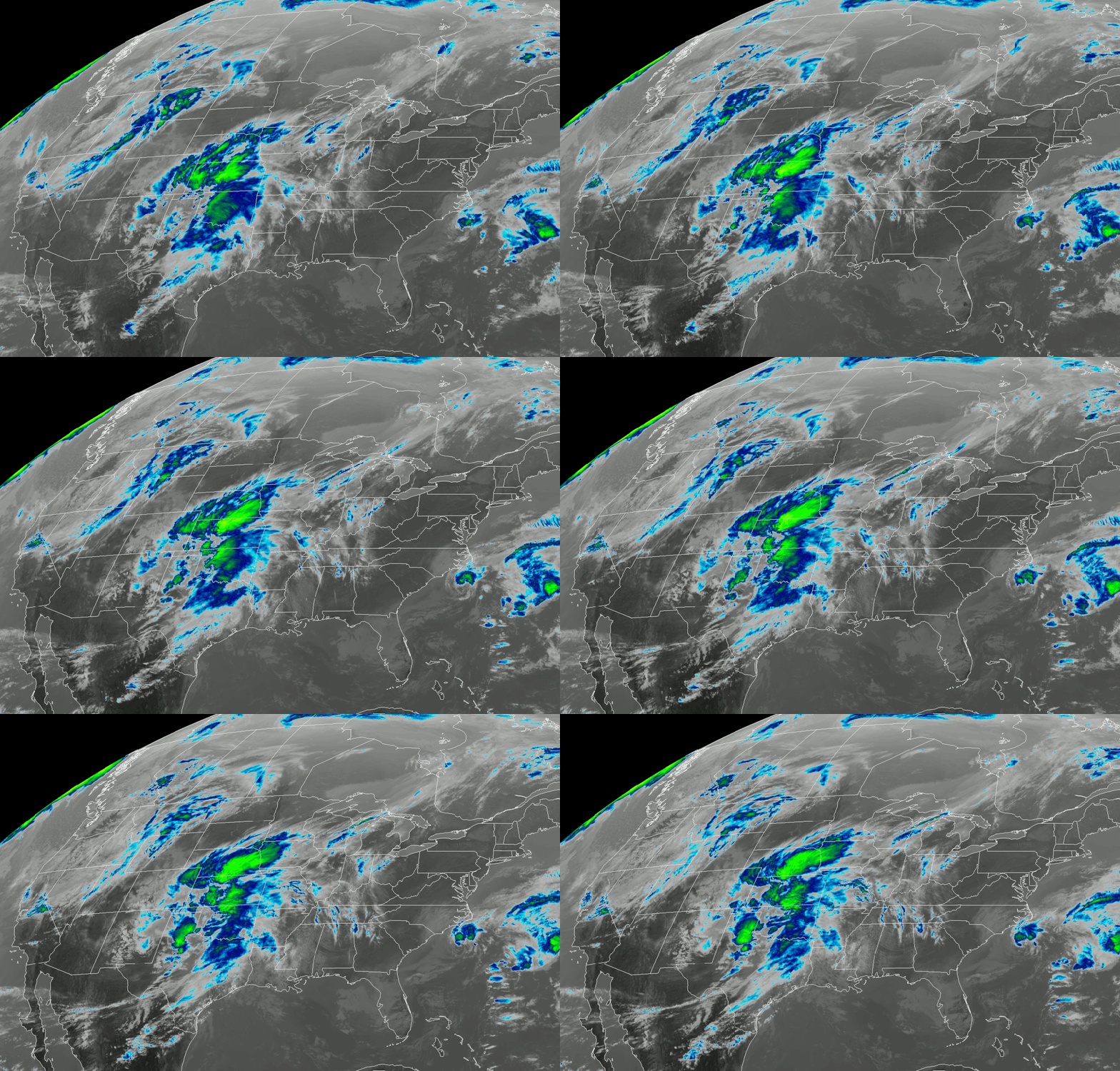
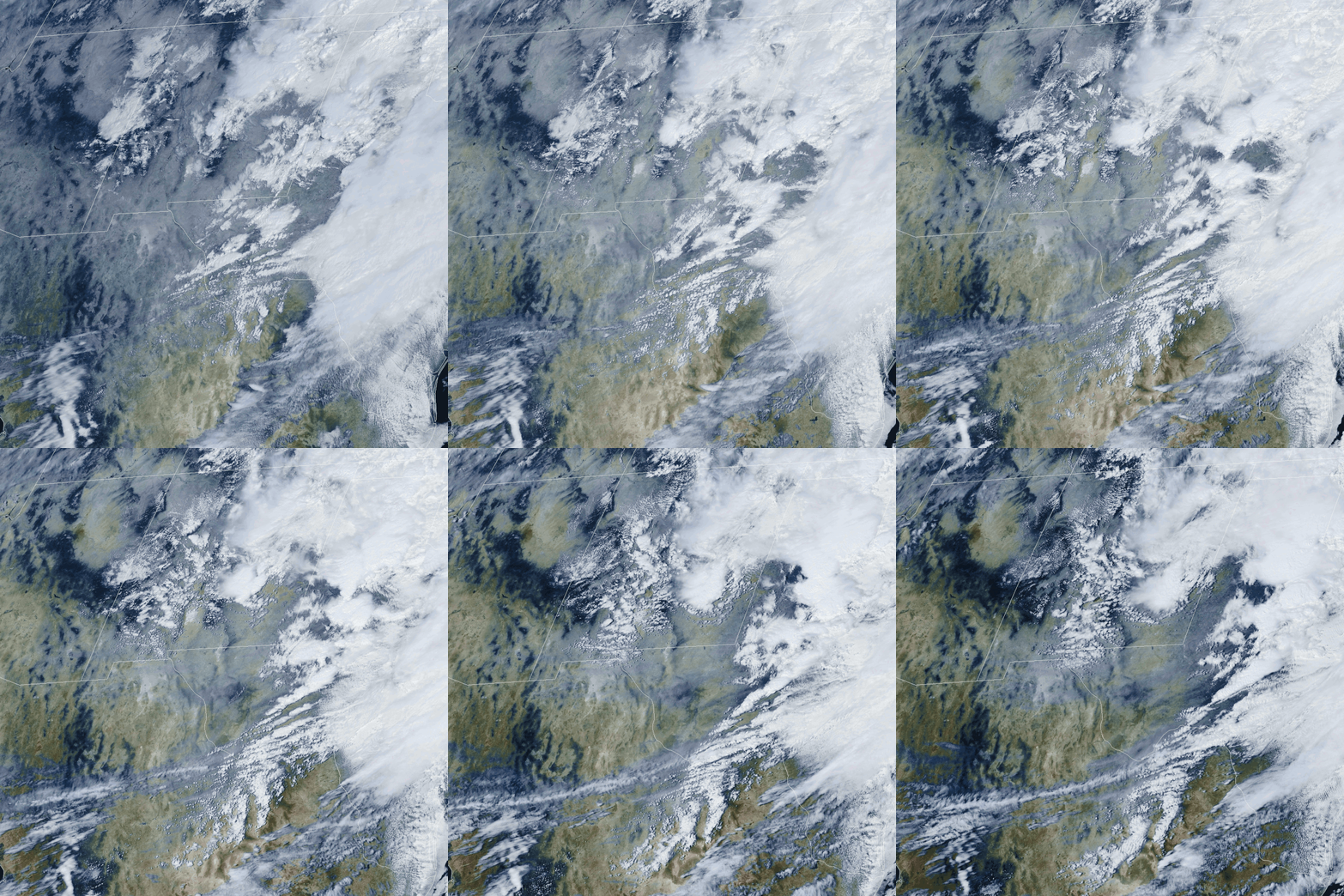
I extended my dish in every direction with cardboard, then covered it in metal foil tape. And it really works… somehow. The signal and error rates are a bit marginal, but I can still download nice pretty pictures of the earth! A few examples are in the video, and below.

For more of the technical stuff, I’m using an RTL-SDR Blog v3 software defined radio, a SAWbird+GOES LNA from Nooelec, a cantenna feedhorn, and a Raspberry Pi computer for processing. I found that other Linux distibutions don’t quite work with the collection of code and drivers needed for this.
The cardboard won’t last long-term, so I’m looking for an antique C-band dish that I can set up as a more permanent solution. However, for a cheap and expedient ground station, this worked pretty well!
A step-by-step guide to receiving GOES satellites can be found here: https://www.rtl-sdr.com/rtl-sdr-com-goes-16-17-and-gk-2a-weather-satellite-reception-comprehensive-tutorial/
More information here: http://usradioguy.com/goes-satellite-imagery-reception/
Both of these guides assume you’ll be using a re-purposed Wifi Grid dish. You can get the entire “kit” of dish, SDR receiver, and LNA amp/filter here: https://www.amazon.com/Nooelec-GOES-Weather-Satellite-Bundle/dp/B08HGQXC7C/ref=sr_1_2?dchild=1&keywords=goes+satellite&qid=1616517136&sr=8-2
You can piece this together with other parts and antennas, but you will at minimum need the SAWbird LNA and an SDR that can handle 1700mhz. The ability to power the filter via Bias-Tee from the SDR is optional, however the Sawbird will back-feed power if using a usb cable, so in that case you’ll also want a DC filter. If you don’t want to buy the Wifi dish, any LARGE satellite dish should work with the cantenna design I used.
Info on cantenna design here: https://lucasteske.dev/2016/10/goes-satellite-hunt-part-1-antenna-system/
You have to be connected to a network for goesrecv / goesproc scripts to run, otherwise it can’t find localhost (because… reasons?). I had to be within wifi range to get this to work, even setting a local static IP didn’t help. There’s probably another way around this if you want to run this setup off-grid or remote where theres’ no network.
If your dish is made of reflective foil and the sun lines up just right, you might cook your feedhorn / LNA!
 Saveitforparts