Funter Bay History: Fishermen Part III

March 18, 2014

In this edition of Funter Bay History we return to the topic of commercial salmon fishing. A local fisherman very generously provided some photos and information about Funter Bay in the 1960s, which make up the bulk of this post (Previous posts on this topic are in Part 1 and Part 2).

1

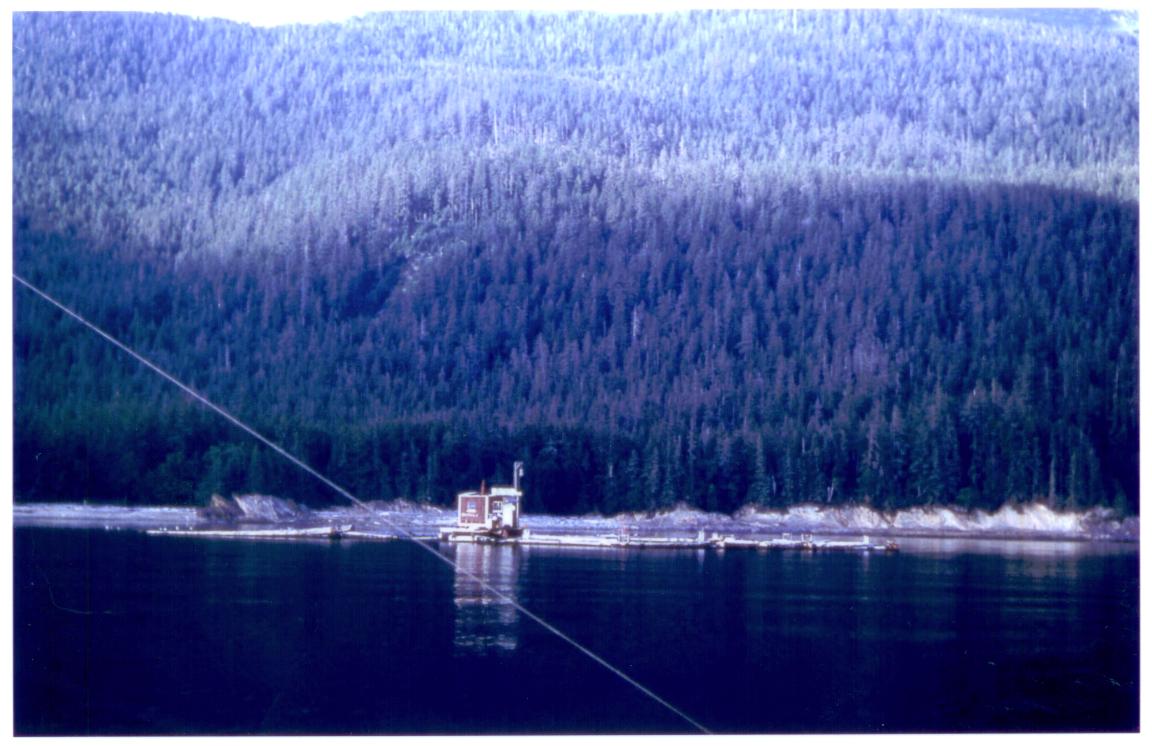
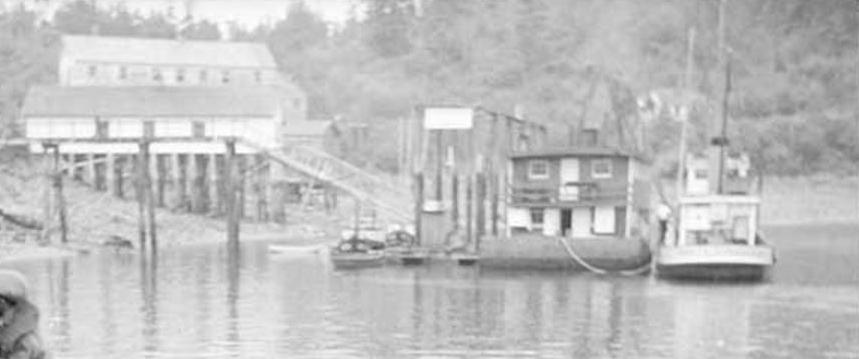
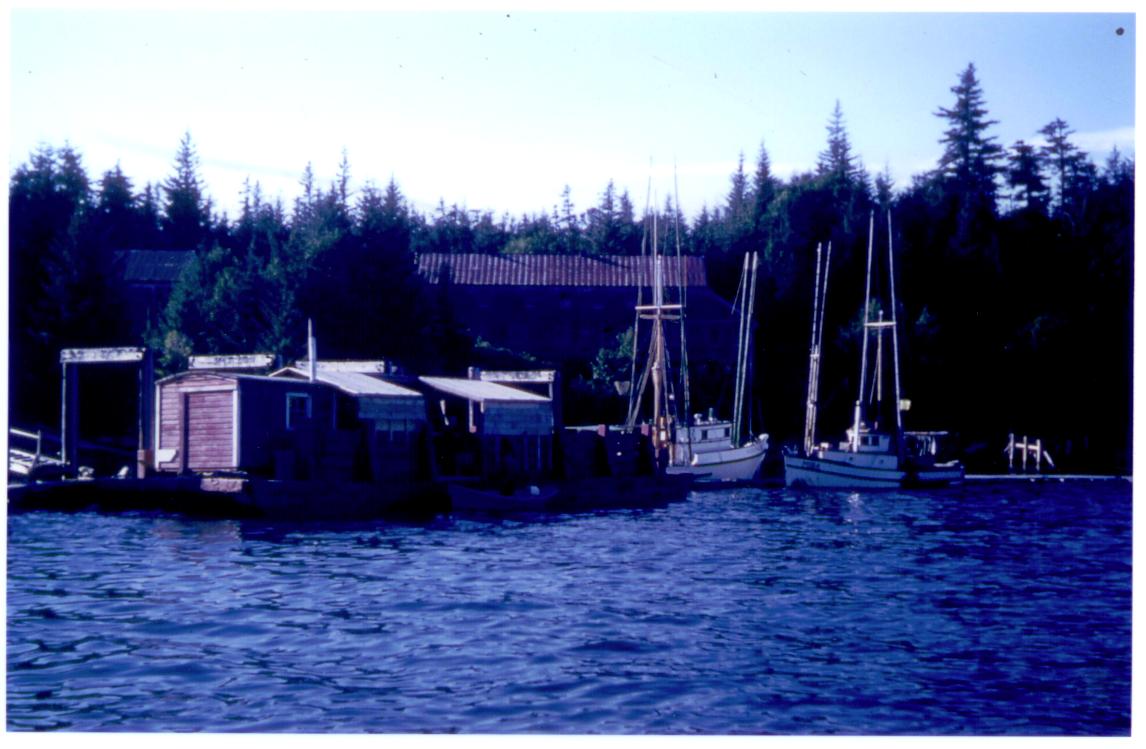
Seen above is the Funter Bay cannery and public dock circa 1958-1960. The trollers Merry Fortune and Mira are tied up, along with the fish scow. The scow was owned by Art Berthold, of the packer Fern II. Art would visit the bay regularly to pick up fish, with local residents Gunner and Lassie Ohman operating the scow. Harold Hargrave owned the Merry Fortune and lived in a house just to the right of this photo. There were three fishing boats named the Mira in Southeast Alaska around this time, this may be the one from Juneau owned by Arnold Henrickson (per the Merchant Vessel Registry)

2
A closer view of the cannery dock and scow, with one of the cannery bunkhouses in the background. The red structure with curved roof on the near end of the scow appears to be a former fish trap watchman’s shack, these were frequently repurposed and some can still be found in use around Funter Bay.

3

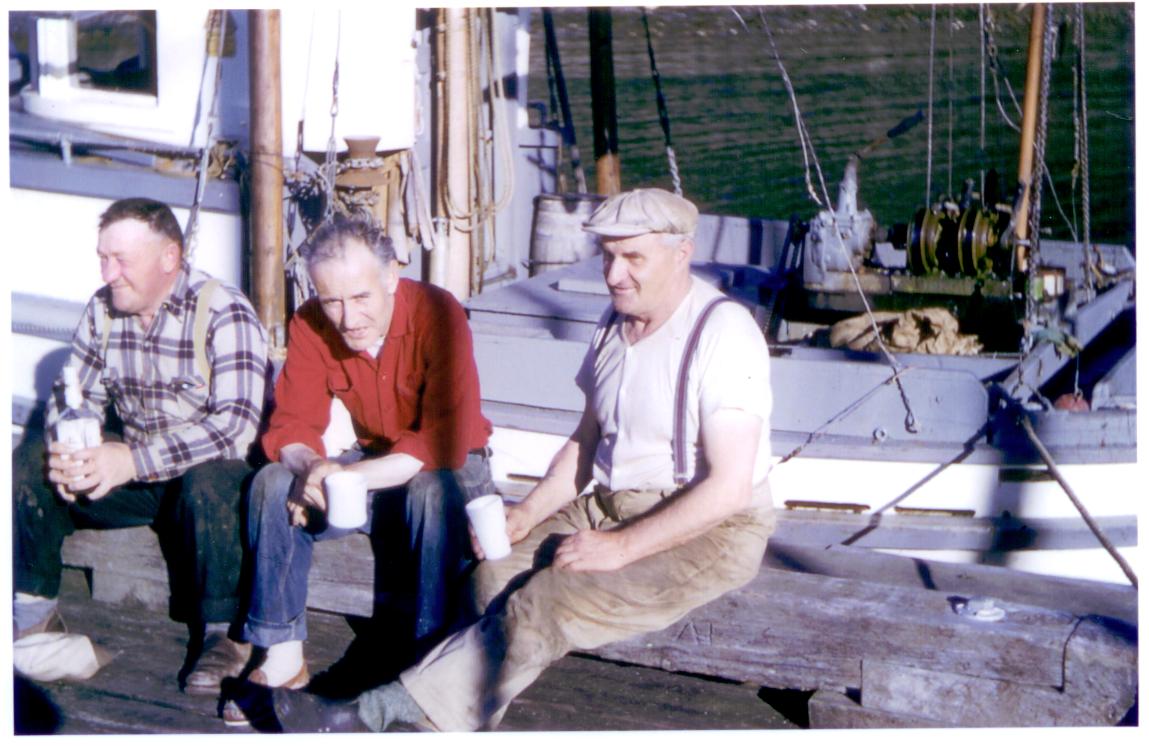
Fishermen (L-R) Walt Mackey, Ken Lameroux, and Jack Kolby, having an afternoon drink at the dock (of “milk, no doubt” according to the source!). Walt’s boat the Elliott is behind them. Ken fished the Lillian L, and Jack fished the Ruby.

4

The fish trap at Lizard Head (the contentious Claire Alexander fish trap mentioned in this post). This photo is from around 1958, the trap was removed when Alaska became a state in 1959. The structure on top is the watchman’s shack, the trap itself is made up of the low floating logs.

5

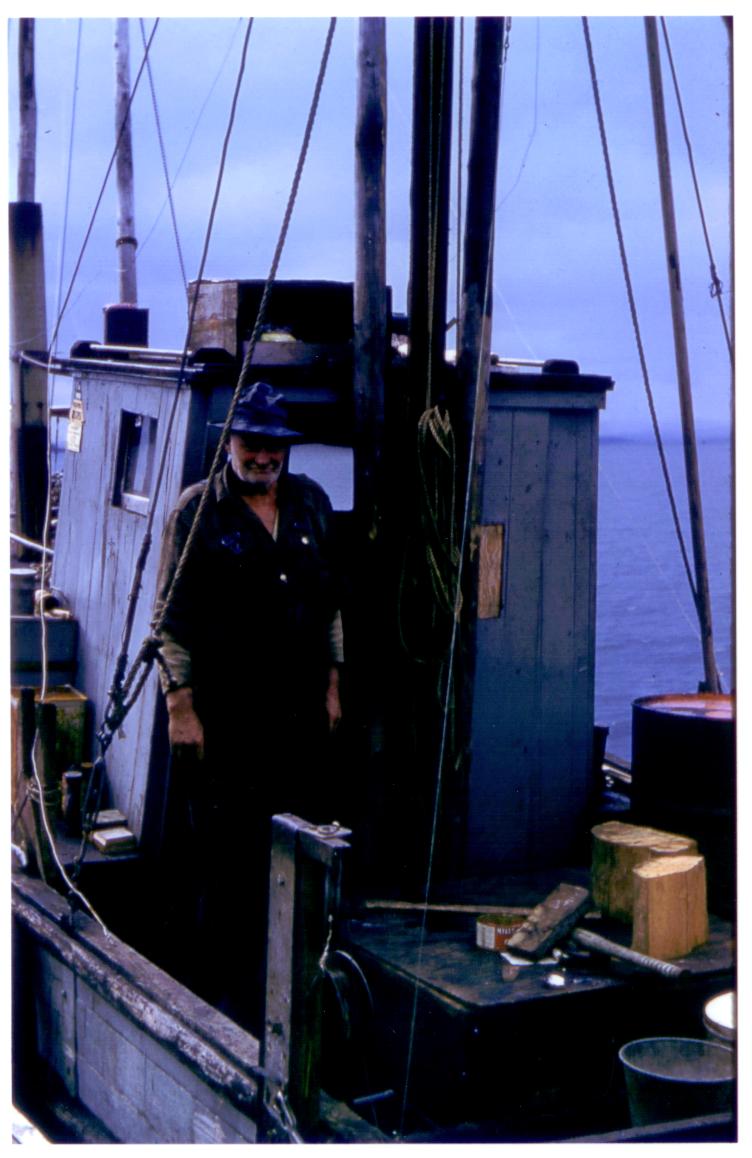
Above is “Dirty Foot Al”, so called because he didn’t wear shoes. Al built his own boat on the beach and heated with wood, you can see blocks of firewood and his axe on deck (oil heat using the same diesel as the engine was more common).

6

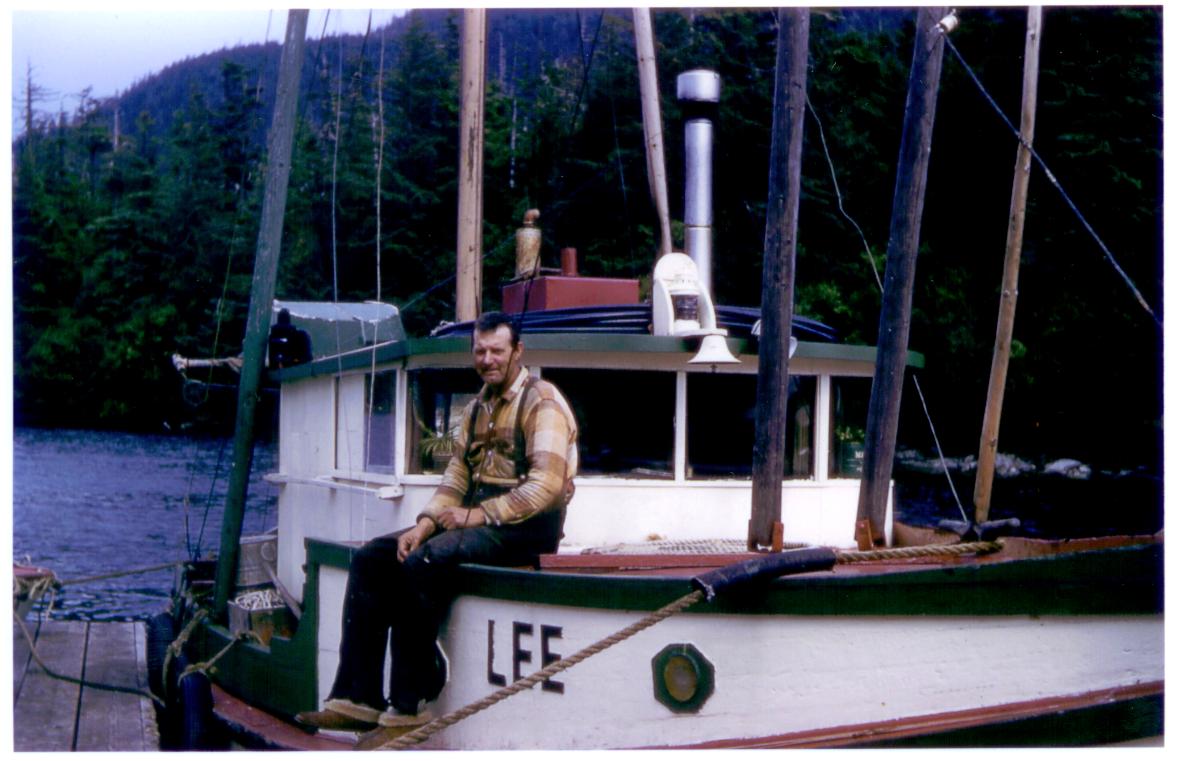
The troller Lee was fished by Ted Childress, seen above, and his wife (who owned the boat). It was reportedly a “Columbia River model”

A 1955 newspaper article (mentioned in the Bayers notes) described the ferry Teddy abandoned at Funter Bay after experiencing engine trouble. The owner reportedly went on to fish the “Lee”, but their name is not given.

7

Jack Kolby (or Koby?) fished the Ruby, seen above at Elfin Cove. Jack was reportedly of Swiss background, and loved to tell stories.

8

the Rosalind was owned by a man named Ben, seen above.

9

Here we see Walt Mackey delivering a loaf of bread to “Crackerbox” Mac. Mac got his nickname from a previous boat, which apparently was not very pretty. Mac’s boat seen above was equipped with a Model A Ford engine.

10

Above is Walt Mackey again, having “a bit of some unknown substance”.

Funter Bay had two state floats, both of which were used by local fishermen. The season generally ran from May 1 to late fall. Many of the boats would start early, and quit early, coming back in by 2 or 3pm. Then the crews would sit around with their “milk” telling stories or comparing  how much money they’d made for the day. They would also visit with local residents in the bay. Sometimes they would set herring nets overnight to catch bait.

In addition to the people shown above, other fishermen at Funter during this time period included Charlie Tubbs, Norton Sorrell of the Grey Mist (later bought by Charlie), Ned Albright of the Ommney, and Ted Samples of the Diver. Ted and his wife trolled, and the Diver had a compressor and “hard hat” rig for underwater work. Ted installed and repaired fish traps when he wasn’t fishing. A man named John had a small double-ender with a noisy 2-cylinder motor. Others who frequented the float, but didn’t always fish at Funter were Al “Scram” Schraman of the Aurora, Santiago Cesar, Mac of the Helen M, and Ike Puustinin of the Julia D.

One story of float hijinks involves a fishermen who somehow became a little drunk one night. The fellow kept a pee can just outside his wheelhouse door for late night calls of nature (these are fairly common on boats, both for convenience and safety, as you don’t want to stand at the rail drunk with only one hand free) Someone filled the can almost full of alkaseltzer tablets, and when the still-drunk fellow used it, there was a lot of unexpected foaming! The poor victim must have thought he had some terrible problem “down there”!


Funter Bay History: Frozen Foot Johnson

March 13, 2014

One of Funter Bay’s colorful residents was an Alaskan entrepreneur named Edward “Frozen Foot” Johnson, who operated a moonshine still at his cabin from 1917-1922. The nickname originated from a bad case of frostbite in 1911.

johnson

Johnson is mentioned in the book Distant Justice; Policing the Alaskan Frontier, which introduces him as the proprietor of Nome’s Arctic Saloon around 1915. Court records from the time refer to it as the Arctic Billiard Parlor (or Parlors, Hall, or Room), and note that it was essentially a large back room off the Arctic Cigar Store in the Winsor or Windsor Building at 96 Front St. The building was owned by Johnson and the business licenses held by his partner A. C. Laird.  Frank J. Mielke sold the property to Mr. Johnson in June 1915 on an installment plan. Previously it had been known as the “Winsor Bath House” (operated by Fred Berg), and included a pool hall & cigar store known as “Daves Place” (per Kinky Bayers notes and court records). Johnson was also apparently known as “Rube” to some Nome residents, this could have been another nickname or a middle name, perhaps short for Reuben.

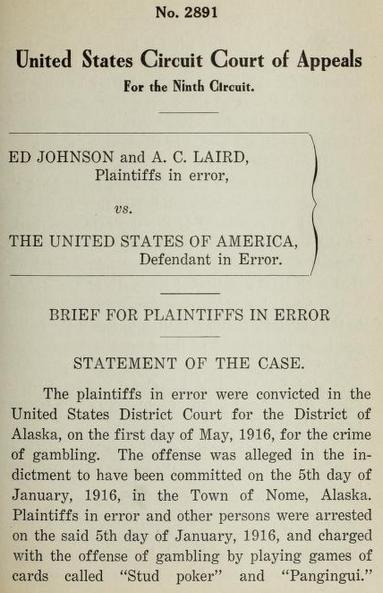
While alcohol was legal in Alaska before 1917, gambling was not, and Johnson was frequently in trouble with the authorities for what he called “fun and profit” at the Arctic Saloon. Johnson claimed the gambling law did not apply to him “on account of his being crippled so he could not get out and work”. His gambling activities were well known around Nome, at least one deputy threatened that he “would get him”, and complained about Johnson “ringing buzzers on him” (to warn gamblers that the cops were coming). Eventually a paid informant was used to spy on the card games and set up a bust at the Arctic. After several indictments, fines, failed appeals, and “harrasment” from law enforcement, Johnson declared that it was “Too bad for Nome”, sold the saloon, and moved to Juneau in 1917.

Johnson appeal

With Alaska’s liquor prohibition just beginning, Johnson found a new source of income in moonshine. Distant Justice author William R. Hunt states that Johnson operated a still at Funter Bay from 1917 to 1922, apparently without much trouble from the authorities. He would transport the moonshine by boat to Juneau’s “thirsty residents”. Other sources indicate that Johnson had a number of stills going, including one at Point Howard across Lynn Canal from Funter, and one at his house in Juneau. As mentioned before, remote sites like Funter were prized by bootleggers as a way to avoid notice and “launder” their supplies of grain and sugar through fox farming or other legitimate enterprises.

Johnson may have been under suspicion for some time, as one article notes that he “led prohibition officers on a merry chase around Juneau in the dry years”. A more serious brush with the law came in December of 1920, when his Gastineau Avenue house in Juneau caught fire. In the aftermath, a large still was revealed, and Johnson was arrested (per Kinky Bayers’ notes). The above article states that the still blew up and started the fire.  Another article mentioned that Gastineau Ave (aka “Swede Hill”) was becoming known as “Moonshine Mountain” after another still was found the following week. There seems to be no record of a conviction at this time, but the authorities kept a closer eye on Johnson over the next year.

In January of 1922, John B. Marshall, the Prohibition Director for Alaska, sent two agents to Funter Bay to investigate Johnson’s activities there. Agents J.W. Kirkland and W.C. Mayburn (Or McMayburn) found a two-story cabin at Funter Bay, equipped with a still and stocks of mash, sugar, and other moonshine ingredients.  Upon returning to Juneau with their report, the two agents were issued a warrant and sent back to Funter to bring in Frozen Foot. An article on January 23rd said that Johnson’s trial was set for the 25th.

The story takes another twist here. In fact there were apparently several stories told by the two federal agents to their superiors, none of which exactly matched. As the authorities put the pieces together, it emerged that Johnson was apprehended at Funter Bay, but bribed his way out of custody on the way to Juneau and vanished (Bribes of poorly-trained and underpaid prohibition agents were fairly common). A second expedition to Funter with different agents took revenge upon Johnson by seizing his still and burning his cabin to the ground. A grand jury later censured Director Marshall for “the unnecessary burning of the cabin”.

Unable to get his hands on Frozen Foot Johnson, Marshall turned on his agents with charges of perjury. James Wickersham, well known former judge and friend of John Marshall, was retained as special prosecutor for the government in July of 1922 (noted in his diary). The legal process dragged on through the summer. In September, Wickersham writes that “W.C. McMayburn… charged with perjury in connection with J.W. Kirkland & other crookedness with ‘Frozenfoot’ Johnson volunteered to tell the whole truth”. Mayburn/McMayburn struck a deal for immunity in return for testifying against Kirkland. Despite this, at Kirkland’s trial in October the jury failed to reach a verdict (Wickersham complained that there were “two or three bootlegging scamps on the jury”, and noted that the case looked “useless till ‘Frozenfoot’ Johnson is arrested and convicted” ). A second trial in November reached a “not guilty” verdict for Kirkland, as the jury decided that Mayburn’s testimony was unreliable. Prosecutor Wickersham wrote to US Attorney Shoup asking him to re-arrest Kirkland for perjury during the trials, but Shoup declined. As Mayburn had immunity, this left both former agents off the hook.

In the meantime Frozen Foot Johnson, the source of the scandal, managed to flee the state as law enforcement bickered over what to do with him. Albert Shoup claimed that Director John Marshall held up the warrant for Johnson to protect Mayburn’s testimony, but Marshall denied it and claimed it was Shoup who refused to arrest Johnson. Wickersham noted that even before Mayburn’s immunity deal, there was “trouble” between US Attorney Shoup & Prohibition Director Marshall, and that Wickersham had the role of middleman or peacemaker. After the case, the governor and other politicians questioned Shoup’s actions.

“Throughout hearings granted to Judge Thomas M. Reed and District Attorney Albert G Shoup, whose re-nominations in the first Alaskan judicial district were under fire, there were spread on the record frequent references to bootlegging, narcotic traffic, and other forms of vice; purported miscarriages of justice and ‘sour-dough’ nicknames such as frozen foot. … Delegate Sutherland charged Shoup had failed diligently to prosecute several liquor cases which had resulted in the failure to convict ‘Frozen Foot’ Johnson, whom he described as ‘the biggest bootlegger in Alaska.'”
From The Associated Press, “Conditions in Alaska”, The Anaconda Standard (Montana), 18 March 1926

Johnson seems to have escaped justice and eventually returned to the state, he was mentioned living in Sitka and having some “business” of undisclosed legitimacy in Petersburg with Ernie Carter (who later opened Ernie’s Bar in Sitka).

I’ve not been able to find much more detail on Frozen Foot Johnson, such as his origin or final fate. One newspaper claims that “Frozen Foot Johnson” died at the Sitka Pioneer’s Home in 1938 (meaning this could be his grave site), but other articles mention Frozen-Foot Johnson in Sitka in the 1940s. Several Ed Johnsons were at the Sitka Pioneer’s home around that time, so there could have been some confusion among reporters. Another Edward Johnson from Sitka was born in 1880, an Ed Johnson born about 1880 in Sweden was in Juneau in 1920, and an Ed Johnson born about 1881 in Sweden was in Nome in 1910 (per US census records).


Funter Bay History: Population

February 14, 2014

In this edition of Funter Bay History, I’ve compiled some statistics and information regarding the population and economy of the area. Funter Bay has variously been described as a town, a village, a ghost town, or simply a location with a cannery and mines. Knowing some numbers and comparative sizes might help place things in context.

__________________________________

Firstly, some background information. Alaska’s modern community designations differ from many other states. There are several types of municipalities defined for legal and tax purposes, including “Home Rule Cities” and “General Law Cities”, of which there are either first or second class cities. There are also Home Rule and General Law Boroughs (a borough is equivalent to a lower-48 county). Alaska is also unique in having an “Unorganized Borough“, more than half of the state is simply not part of any municipal entity, and thus has no property tax, sales tax, or any services below the state level. Funter Bay has long been a part of the Unorganized Borough. Juneau occasionally attempts to annex Funter Bay, annexation has been fought off by local residents on the grounds that they would pay property tax but would not receive any city services.

Another tricky detail is that some households in Alaska are migratory or seasonal (both in and outside the state). Residency reporting is sometimes based on economic reasons (such as inclusion in a school district or eligibility for Permanent Fund Dividends), and not on a person or family’s most common physical location. A seasonal fishing community may wish to count summer fishermen as part of their population, while those fishermen may report a different place of residence on their taxes. Funter Bay has always had a larger population in the summer, be it Tlingit fish camp residents, cannery workers, seasonal fishermen, or vacationing cabin owners.

Keeping in mind that these numbers may be “fuzzy”, here is some comparison data from the 2010 census. Partly from this document.

Bettles, the smallest “Second Class City”, has a reported population of 12.

Pelican, the smallest “First Class City” has a reported population of 88.

Nenana, the smallest “Home Rule City” has a reported population of 378.

The total population of Alaska in 2010 was 710,231. The three largest cities are Anchorage (291,826), Fairbanks (31,535), and Juneau (31,275). They quickly get a lot smaller.

There are also “Census-Designated Places”, along the lines of an unincorporated town in the Lower 48. These communities may have some public facilities, and communities with more than 25 residents receive some state money for utilities and infrastructure. The population may live in a discrete area or be spread out around some center such as a post office or store. Some examples close to Funter Bay are:

Elfin Cove – reported population of  20 in 2010. (This is generally considered a “town” by most locals and population swells to 100+ in the summer). In 1939 Elfin Cove had about 65 residents and was referred to as a “village”.

Excursion Inlet – reported population of 12 in 2010.

Whitestone Logging Camp – reported population of 17 in 2010

__________________________________

Now, on to the numbers for Funter Bay:

The 1890 census listed 25 residents at Funter:1890 Census

A 1903 congressional convention in Juneau solicited delegates from around the state based on population. Funter Bay sent one delegate, the same number as Hoonah, Angoon, and Petersburg. Sitka sent 3, Fairbanks had 4, Juneau itself had 10.

Summer population varied based on the number of workers brought in by the cannery. A 1904 article mentions “30 odd” Chinese employees traveling to Funter Bay to work at the cannery that season (“Chinese for Funter Bay”, Daily Alaska Dispatch (Juneau) 2 May 1904) A 1906 brief in the Dispatch mentions a can-making crew of 73 Chinese workers enroute to Funter Bay. In 1910 the Dispatch reported 84 Chinese workers.

A 1905 article reported an “Indian Village of 400” at Funter Bay, with around 60 native employees working at the cannery. This “village” (also described here) was likely a summer fish camp for Tlingit natives. Some documents refer to it as housing for cannery employees. Various histories report that Funter was used for seasonal subsistence, but was not a permanent village site. Other reports indicate that the “village” or camp site moved around the bay as various white settlers or industries  interacted or interfered with it.  An interview with Elder Dave Wallace stated that there was no village at Funter Bay, but it was a good place for king salmon and berries. It was claimed by the Wooshkeetaan clan, part of the Auk Kwáan, and was called Shakananaxwk’.

Some Tlingit employees at the cannery in 1908 (more here):

TP Co Workers 1908 2

The 1910 US Census shows 70 people at Funter Bay. It was conducted in May when the cannery’s seasonal labor force was on hand. A few people are listed as independent fishermen. The microfilm quality is unfortunately quite poor, so not much else can be determined from it.

In 1912, merchandise valued at $78,933 was shipped to Funter Bay. (Per Alaska 1912 Commerce report, Daily Alaska Dispatch, 1 Feb 1913)

In 1916, the value of merchandise shipped to Funter Bay was $128,471 (Per “Report of Collector of Customs” Daily Alaska Dispatch (Juneau) 18 Feb 1917).

In 1918, the merchandise shipped to Funter totaled $267,697 (DA Dispatch 4 Feb 1919)

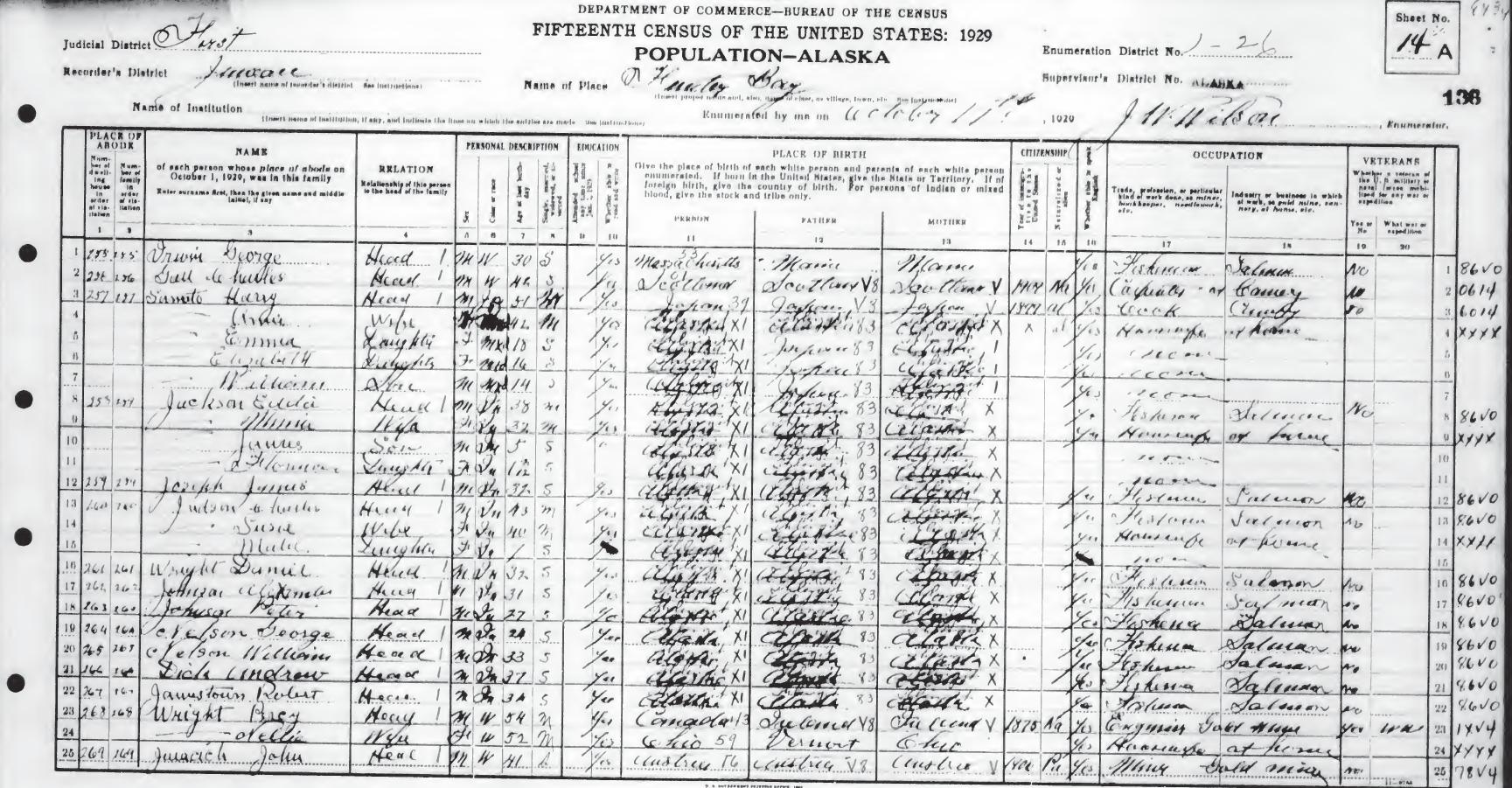
The Census of Oct 11, 1929 found 50 people at Funter Bay. The handwritten notes are somewhat hard to read, but show that approximately 12 residents were fishermen, 11 were miners, one was a logger, one was a mining engineer, and one was a bookkeeper at a mine. The cannery’s seasonal workforce had left for the winter, leaving a cashier at the store, as well as the cook and his family. About 9 women are listed with the occupation “Housewife”, and about 7 children are listed.

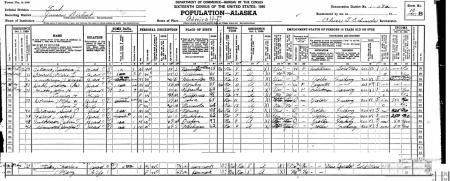
1929 Census records for Funter Bay ( 2 pages):
1929 Census Pg 1           1929 Census Pg 2

By 1939, Funter Bay was not being counted as a separate location, but was lumped into the Juneau census area (and later, the rather oddly-drawn Skagway-Angoon-Tenakee census area). The 1940 census reported 98 residents on “Admiralty Islands”, excluding Angoon and Killisnoo, but possibly including Tyee, Gambier Bay, Hawk Inlet, and other canneries.

The following 1939 Census records seem to be noted “Funter Bay” on the extreme left, and includes 14 people:

1940

In 1979, Funter Bay reportedly had a year-round population of 14, and a seasonal population of 25.

By the late 1990s the population hovered around 10 year-round residents. (I recall a census taker in 1990 being dropped off by plane and planning to walk around the entire bay, unaware that 90% of the visible cabins were vacant and that the trails shown on maps were no longer passable).

So, depending on the accuracy and reliability of the reporting agencies, Funter Bay has historically had a summer high of between 100-500 residents, and a high winter population of around 50. It has never been a bustling metropolis, but was certainly on a par and occasionally rivaled other established Alaskan communities.


Funter Bay History: Tall Tales

October 29, 2013

One of the finest traditions of Alaskan culture is the Tall Tale or “BS Story”. Whether a heroic adventure, unlikely wildlife encounter, lost treasure, or exaggerated fish, Alaskans have made an art of far-fetched claims. These days they’re usually related in person, over the marine radio, or at the bar, but in the old days you could get them printed in the newspaper! Actually, you probably still can in certain less-rigorously-edited publications!

One common “BS” news story in the early 20th century was the ever-popular “Next Treadwell” mine. Newspaper editors knew that attracting outside investors to the state would help grow their small towns’ economies, so almost every mine, no matter how small, was compared favorably to Treadwell (an operation known to be highly profitable). The Sitka Alaskan of Feb 27, 1886 describes deposits in the Funter Bay area as “equally as large and rich [as the “great gold belt of Douglas island”]”. After Treadwell caved in and flooded in 1917, local editors had to come up with more general terms like “the great Juneau mines”.

Of the two Juneau papers at the time, the Daily Alaska Dispatch seemed to talk up Funter Bay the most, although the Daily Record-Miner was also favorably biased towards local mines. The Dispatch referred to Funter Bay as “One of the very best camps in the district” (May 8, 1903), “The best copper proposition in this district” (Apr 16, 1909), and as having “claims which will unquestionably become good producers within a short time” (Oct 15, 1915). A July 31, 1902 article describes a Funter Bay claim “richly impregnated with gold” as well as being “40% copper”, and being “highly mineralized all the way through” and “a great big chunk of the world’s wealth”.

Reading these articles leads one to think that Funter Bay was constantly poised to become a major competitor in the national economy, but the mines referred to in these articles were mostly one or two-man prospects that never got beyond 50ft of tunnel, such as the Mansfield Mine.

Otteson’s Dano mine was also mentioned in the Dispatch, described as having a “big and rich ledge” (3 Aug 1909) and producing “rich gold bearing samples” (27 July 1919). Despite all this richness, the mine did not develop into a major producer. The papers handled such delays in promised wealth with their usual optimism, an 1903 article mentions that barren rock encountered in the first 50ft of a mine at Funter must have been “all cap-rock”, and “a change has taken place… the values in the quartz now are very good”. Any mine which failed or went bankrupt, if mentioned at all, was promptly blamed on the incompetence of the prior managers, and never on the geology of the claim.

Another great tall tale appeared in the Dispatch on Sept 12, 1912.

Explores Unknown Region on Admiralty Island

W. C. Miller Finds Lake and River Alive With Mountain Trout and Tremendous Wall of Ice.
—————————
W.C. Miller, a well known Alaskan who has valuable prospects at Funter Bay, has just returned from an exploration of the “unknown country” of Admiralty Island, and this trip is believed to be the first exploration of that region. The country lies near the center of Admiralty Island, between Hawk Inlet and Seymour Canal. Mr. Miller was accompanied by his nephew, F. E. Koeper.
“The entire territory,” said Mr. Miller, “is worthless to the prospector. We found a little gold, but nothing worth while, except mountain trout.”
At the head of a river Mr. Miller found a lake four miles long and a mile wide, alive with mountain trout of unusually large size. “We had no bait but venison,” said Mr. Miller, “but a crowd of fish entered into competition for the hook as often as Koeper threw it in.” Miller and his companion came back by a shallow river, a hundred feet wide, and this stream was also alive with trout. No salmon were seen, and Mr. Miller believes that on account of the swiftness of the current the salmon are not able to swim a very great distance in it. Mr. Miller named the lake “Isaac Walton Lake” in honor of the great angler.
The explorers found a new glacier with a wall of ice sixty feet high, running along the top of the range for miles. (From Daily Alaska Dispatch, Sept 12, 1912).

For those unfamiliar with the area, Admiralty Island has no glaciers,  and mountain top snow of that thickness is unlikely in September . The size and location of the lake and river are also quite questionable!

On May 25th of 1937, lighthouse keepers at Point Retreat reported that they had seen a “Ragged wild man”. This was said to possibly be Bud May, a trapper from Funter Bay who had been missing for some time. However, a few days later, 65 year old Albert Miles arrived at Point Retreat and claimed that he is not “wild”, he had simply walked there after wrecking his boat near Cordwood Creek. Miles was later ruled to be insane (per Kinky Bayers’ notes).

I might have a few more of these lying around for a later update. If any readers have a contribution I would be glad to publish it! Names can be withheld or changed to protect the guilty!


Funter Bay History – Hunting

August 28, 2013

While browsing through old newspapers I found quite a few references to hunting around Funter Bay. The area has many deer and bear, and has long been an important hunting ground for Tlingit natives. Subsistence hunting was important for local prospectors and fishermen, and sport hunting brought people from elsewhere in Southeast. Here are a few names and hunting stories that I found during my research.

A snarky article in 1907 listed  a party of “cannibals, highwaymen, and Indian warriors” hunting at Funter Bay, including “Big Eatmuch of Oshkosh, Sitting Bull of Ohio, and Highbinder of West Virginia” (Highbinder was slang for either a gangster or a corrupt politician). An article a few days later mentioned that “Messers Page and Snyder, the two Skagway nimrods who put in a month at Funter Bay” had an excellent bag of game, this may have been the same party.

Snyder was mentioned again in November 1908, when he along with a Mr. Woodburn and a Mr. Kirmse (all of Skagway) accompanied the famous big game hunter Z.R. Cheney to Funter Bay.

In 1909 the Juneau Record-Miner reported that Abner Murray, E.E. Smith, L. Keist, and Billy Stubbins had gone hunting in the Funter Bay area. Smith wounded a deer, and Keist and Stubbins both shot at an eagle and missed. Others in the party were reported to be Messrs. Hopp, Fox, Judson, McWilliams, Dick McCormick, A. Baritello and A. Reidl.

Fred Hastings and Bob Evans were hunting in the Funter Bay area in 1909. Also in the area were Wm. Geddes “and a party of big game hunters”.

In Nov of 1909, Phil Snyder and Frank Page are mentioned again. Snyder was a Skagway Alderman, and the pair are reported as coming down every year with a pack of hunting dogs to spend a month in the Funter Bay area. They were reportedly after bear on the 1909 trip.

In December of 1909, a soldier from Fort Seward (at Haines) was injured while hunting and sent to St. Ann’s hospital in Juneau. His name is given as John Carr or Karr, and his injury reportedly was from “falling on the edge of an axe”. The unfortunate hunter tripped on a rock and landed neck-first on the axe, but fortunately a trained nurse happened to be at Funter Bay and was able to stitch the wound. Carr’s hunting party was already overdue after a storm, and were thought lost for a time.

In October of 1910 a hunting party consisting of Willie Winters, Geo Rose, Oliver Oleson and Lawrence Erickson became lost between Hawk Inlet and Funter Bay. They were forced to build a fire and spend the night in the woods, but found their bearings the next day. 

Peter Williams Sr, a hunter from Sitka, died at Funter Bay in August of 1914 in a hunting accident. He had been carrying a deer and fell off a cliff.

Mr. and Mrs. E. C. Russell and Mr. and Mrs. Ray Stevens spent a week in Sept. of 1915 hunting and fishing at Funter Bay. Ray Stevens worked at the First National Bank.

Funter Bay resident and mine owner Charles Otteson related this story to the Daily Alaska Dispatch in November 1916:

“Shortly after the deer season opened – I was engaged in mining in the Funter Bay section – and one evening about nine o-clock, when a bright moon was shining, I went out to the little garden adjacent to our house on the mining property, accompanied by my wife, and there was a fine, big deer standing erect by the garden. I went within two feet of him and he did not move; I flashed a small search light several times in the animal’s face, and this did not disturb him in the least, he stood there just looking at us. I got my firearms with the intention of laying in a supply of venison, as we needed meat, but upon returning and going up close to the deer again I simply couldn’t muster up courage enough to fire. Who could?” (From “Couldn’t shoot the seemingly pet deer” Daily Alaska Dispatch (Juneau) 14 Nov 1916).

Not every hunter was so kind-hearted, there are stories of several other “pet” deer walking up to people in the woods and ending up in the freezer. Our neighbor Harvey Smith had a deer which learned how to open his door and would sleep inside by the fire. Lassie Ohman had a young deer which lived at their cabin and sometimes on their fish scow. Both of these “pets” later ran afoul of hunters.

“Bud” Walker, a friend of Funter Bay resident Max Dorman, went missing in October of 1942 while hunting grouse. The bears were reported to be “very irritable” that year due to poor salmon runs, and searchers feared the worst. Walker showed up a day later about 15 miles away in Hawk Inlet.


Funter Bay History – Cannery Employees

August 6, 2013

The Thlinket Packing Co at Funter Bay employed a number of different people over the years in a variety of positions. Below is a partial list, gleaned from early 20th century newspapers. Keep in mind that consistent spelling of names in the early 1900s was somewhat optional!

_____________________________________________________________

James T. Barron – Owner and Manager, 1902 – ~1926. More on the Barron family here.

_____________________________________________________________

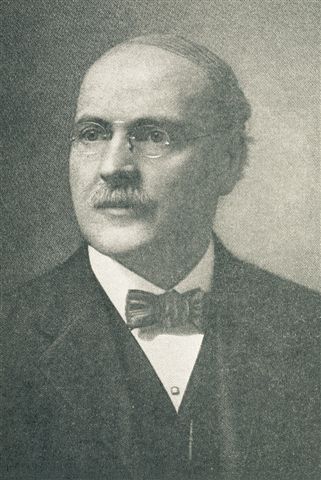
Judge Michael George “MG” Munly (1854-1923)

Munly

The family name was originally spelled “Munley”, but Michael later dropped the E. He was company Secretary and brother-in-law to James Barron. He married Mary Nixon, sister of James Barron’s wife Elizabeth. Munly was admitted to the Pennsylvania bar in 1882. He was deputy city attorney in Portland, and was appointed a judge of the Oregon circuit court from 1892-1894. Munly ran unsuccesfuly for mayor of Portland in 1909. Along with the Barron family, Munley and family were frequent visitors to the Funter Bay cannery.
Judge Munly’s grave and additional information.
1922 Biography of M. G. Munly
1928 Biography

_____________________________________________________________

C. F. Whitney was Sales Manager at the company, based in the Portland office. He seems to have rarely visited the Funter Bay operation. Prior to taking this position, Whitney had been sales manager of the New York Life Insurance Co.

_____________________________________________________________
Mr. and Mrs. Norton – Listed as winter caretakers at the cannery in 1903. Left in February to develop some timber claims in Oregon.

_____________________________________________________________

James Lawlor – (Sometimes spelled Lawler) was caretaker and winter foreman(?) from at least 1903-1909. He took over from the Norton’s in Feb 1903 and began preparations for the upcoming coming packing season.

_____________________________________________________________

Chris Houger (Sometimes spelled Hooger, Hugher, Hager, etc) was “Outside Foreman” at the Funter Bay cannery from at least 1903-1919. ?He was in charge of piling crews, trap installations, nets, etc. His wife was noted as being the cannery’s bookkeeper in 1914. In 1917 Western Canner and Packer referred to him as Manager of the Thlinket Packing Co.

_____________________________________________________________

Captain Haly of the Rainier – hired to bring up the “fishing steamer Barron” from the South for the 1903 season.

_____________________________________________________________
Mr. and Mrs. A. C. Bogarth – Operated fish traps near the Funter Bay cannery for several years around 1903.

_____________________________________________________________

Captain Crockett – skippered the Anna Baron during at least the 1904-1907 seasons.

_____________________________________________________________

Captain Mason was listed as skippering the Anna Barron in 1911.

_____________________________________________________________

Captain Martin Holdst (Also listed as Martin Olson) of the Belle was employed in the winter of 1909-1910 repairing the water and power systems at the cannery.

_____________________________________________________________

Pat. F. Mulvaney was the storekeeper at the Funter Bay cannery from at least 1909-1917 and listed as watchman in 1918 -1919.

_____________________________________________________________

Fred Barker (Or T. H. Barker) was listed as cannery superintendent in 1911. His brother “Billy” Barker was the assayer at the Perseverance mine.

_____________________________________________________________

Cannery employees listed as arriving in spring of 1911 were: H. H. Harvey, C. W. Young, G. W. Scott, E. A. Harriman, Thos. Redwood, F. Phelps, W. F. Brillian and H. Wills.

_____________________________________________________________

A. M. “Bob” Bell was listed as a canneryman at Funter Bay in 1912. There is also an A. E. L. Bell mentioned, and possibly another Bell who ran the Glacier cannery.

_____________________________________________________________

F. Hilder was an employee at the cannery in 1914.

_____________________________________________________________

George W. (or L.) Bowman was listed as cannery superintendent in 1914. He formerly worked for the Northwestern Fisheries company.

_____________________________________________________________

J. F. Bennett was listed as a cannery employee in 1915, his arm was caught in a rotating shaft in June and he required skin grafts at the Juneau hospital.

_____________________________________________________________

Harold W. Chutter (Or Chuttes or Chutte or Shutter or Chutler) is listed as the “popular superintendent of the Funter Bay Canning Co” in 1916 and 1917. In Feb. 1917 it was reported that “Mrs. Chutter, formerly of Funter Bay” had left to marry the former accountant for the Juneau Electric Light company. In December of 1917 it was reported that Chutter was closing up his affairs at the cannery and leaving for Bremerton to join the Navy. Sales Manager Whitney planned to come North from Portland to temporarily fill in as manager.

_____________________________________________________________

C.L. Cook is listed as bookkeeper in 1917.

_____________________________________________________________

G.C. Coffin, an employee of the cannery, was at the Juneau hospital in 1917 for eye treatment.

_____________________________________________________________

E. W. Hopper is described as the superintendent and/or manager of the cannery in 1918. His wife and daughter also resided at Funter in the summers.

_____________________________________________________________

Capt. John Maurstad skippered the Barron F. in 1918. According to the Kinky Bayers notes, he came to Alaska in 1909 and was a resident of Angoon. He did some logging and built a sawmill and Kasnaku Bay (Hidden Falls) in 1927. In 1940 he was in charge of a CCC crew building roads near Angoon. He may have died around 1942 at age 53.

_____________________________________________________________

D. J. Wynkoop, formerly of the Treadwell mine, was employed at the cannery in 1918.

_____________________________________________________________

Captain A. Woods is listed as running the Anna Barron in 1918. He fell from a 20ft ladder in February and was in St. Ann’s hospital expected to fully recover.

_____________________________________________________________

Chinese, Filipino, and Native Alaskan employees were usually only mentioned in passing, with no names given. A 1914 article lists the following “strange names” of Chinese workers bound for Funter Bay, but states that the purser of the steamship City of Seattle may have been kidding around: “Ten Pin, Hinge Lock, Wong Toon, Mop Dip, Wong Chuck, and Sam Lea“.

I’ve tried briefly looking into each of these people, but have not found any detail on most of them. I may try to come back to this post if more information becomes available. If you know anything about any of them, please feel free to contact me!


Funter Bay History: Trapping & Fur Farming

June 7, 2013

Fur-bearing animals have long been an important part of the Alaskan economy, and an iconic part of Alaska history. The image of the lone trapper in the wilderness is often a symbol of Alaskan life. Fur farmers institutionalized the production of furs, and helped prevent extinction from overtrapping. Alaska fur farming began with Russian settlement, and furs were assumed to be the most valuable resource in Alaska when it was purchased by the US. Fur sales met with varying amounts of success depending on the economy and styles of different periods, but boomed during the 1920s. The Alaska State Library has a collection of photos related to fox farming. Both fur farming and trapping coexisted and are still around today, although there are no active fur farms in Alaska at present.

fur coat

Sarah Crawford Isto has a great history of Alaska Fur Farming; “The Fur Farms of Alaska: Two Centuries of History and a Forgotten Stampede“. Her book goes into much more detail and has much more history than I can cover here. Sarah was quite helpful in straightening out some of my information.

Another good source is Larry Roberts’ Southeast Alaska Fur Farm Database. Larry was also a great help in answering questions and providing extra information.

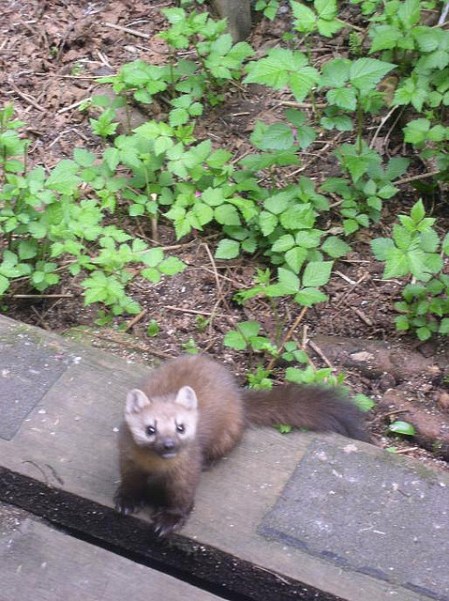
Many trappers probably worked in the Funter Bay area at various times. They would have mainly been seeking various Mustelids, including mink, marten, and weasels/ermine. Foxes are not native to Admiralty Island. River otter could also be trapped, and sea otter were hunted from boats (sea otter harvest was made illegal in 1911, but today there is a subsistence exemption for Natives). While I have not found much specific information on local trappers, the Bayers notecards mentions an S.P. “Bud” May, a  Funter Bay trapper who went missing in 1937. Tlingit natives from Hoonah are noted as trapping mink and marten at Funter Bay, although at least one source speculates that marten could have been introduced to the island by fur farmers.

As a side note on animal behavior: the small mustelids are quite bold, and will sometimes come into houses or approach humans out of curiosity. By contrast, otters seem to have learned to fear kayaks (the traditional hunting boat), but will ignore larger power boats. River otters and mink like to use skiffs and docks as dining areas and/or bathrooms, and are often the source of smelly things found in your boat in the morning. River otters will also sometimes try to drown dogs, they attempt to call or tease the dog into the water where they can get on its head.

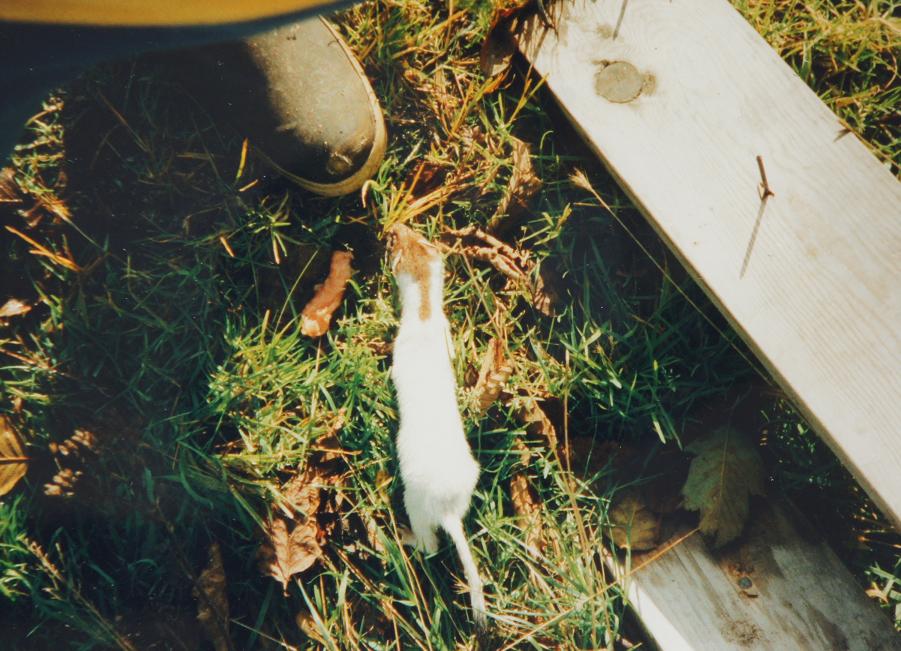
A curious weasel (partly in its winter ermine coat) examines someone’s foot at Funter:
Weasel 2

A marten visiting the bird feeder at Funter:marten
Large fox farms often involved leaving breeding pairs on an island, where the ocean served as a natural fence while the stock increased. Caretakers would sometimes live on the island to ensure the foxes stayed fed, healthy, and undisturbed by poachers. Pens and fenced enclosures were used with mink, which were more adept at swimming. Smaller backyard fox farms had pens if they were on a larger island or the mainland, and pens became more common in later years once researchers learned of parasite issues with free-range stock. Isloated island farms often let the foxes find their own food on the beach or in bird nests, but most farmers supplemented the diet with fish, wild game, and cereals. Farmers would sometimes buy fish byproducts such as heads and guts from local canneries (and some would reportedly rob fish traps for fox food). Fish could be salted or smoked to keep over the winter. Sarah Isto’s book mentions salted fish heads being used as fox feed, but also mentions that foxes preferred “freshened” fish with the salt rinsed out. Various experiments to introduce rodents onto islands usually met with failure as early as Russian farming days, but this didn’t stop farmers and the government from trying.
fox

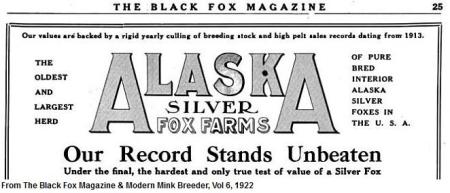
Several possible fur farms have been identified around Funter Bay, although official documentation is scarce. Fox farms would likely have used blue foxes, as silver foxes were harder to raise. Some farmers had only a few breeding pairs and harvested only a few pelts each year. Backyard fur farming was often a side project for people who worked other seasonal jobs such as fishing, mining, or cannery labor in the summer.

The farms at Funter may or may not have been entirely legal. Small-time operators sometimes squatted without sanctioned land rights, and neglected to get a government permit. Other “farmers” live-trapped animals in the summer (or poached them from legitimate farms) and penned them until winter when their coats were thickest. Still others used fur farms as a front for the other big moneymaker of the 1920s: moonshining (more on this later).

One potential farm is at the cannery, with pens located behind the workers’ houses. I have sometimes heard this referred to as a fox farm. The other, referred to as a mink farm, was located behind Harvey Smith’s property in Crab Cove. That site has some fencing and a trash midden at the site of a former cabin.

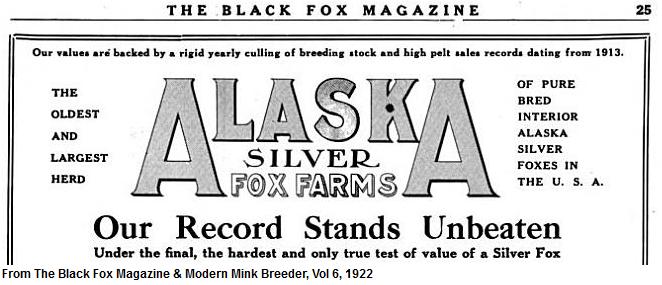
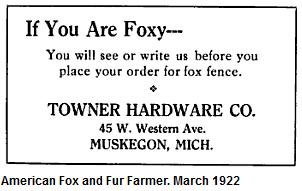
foxy

A fur farm belonging to a Pat Kelly is listed at Funter in the SE Alaska fur farm database. His farm, record JUN-30, is shown near the cannery and listed as keeping mink and marten in pens around 1924. The Kinky Bayers notes list a Capt. Pat Kelly of the vessel A.R.B. 10 operating around Juneau in 1958. Bayers also lists a Pat Kelly serving as mate aboard the steamship Glymont of the Nelson Line in 1933. A Pat Kelly from Wrangell was arrested at Prince Rupert, BC in May of 1934 for stealing furs and the gas boat T-1957 from Stanley Jekell. Stanley had his own run-ins with the law, being charged with poaching deer in 1935.

I am not sure if these are all the same Pat Kelly, but there are common threads between them. Capt. A. J. “Pat” Kelly appears to have been a fish buyer for the A.R. Brueger Packing Co of Wrangell in the 1950s. The A.R.B 10 is in the merchant vessel registry as a 62′ wood fishing boat, owned by A.J. Kelly of Wrangell. It was formerly the No. 3145, built for the US Navy in Philadelphia in 1923. It sank in 1959 at Lituya Bay. This book mentions that Pat and Elsie Kelly were fish buyers.

Neil (or Neal) C. Gallagher had a fox farm at Point Couverden across Lynn Canal, and received mail at Funter Bay. He is listed as raising blue fox in pens prior to 1924. His wife was reportedly Mary Joyce. (Larry Roberts compiled most of the Gallagher information, and notes that the details are confusing. I’ve used the Bayers notes to fill in some more). Neil’s brothers Con (or Don) and Phillip R Gallagher were also involved with this fur farm, as was a person named Pat Mulvaney. Con Gallagher Sr, father of “Neal, Phil, and Con Jr”, is reported as building the first pile-driven fish trap in Southeast Alaska for the Alaska Packer’s Association of Excursion Inlet in 1900. “Neal Gallagher” was in trouble with the law for rum-running in 1925 and again in 1928, and a Don Gallagher was evicted from Excursion Inlet for bootlegging during WWII.

Some of the Gallaghers’ fox farming partners were Michael and Lylia Whalen. After Neil’s death, Mary reportedly sold her 1/6 share to Lylia for $1, and the Whalens sold the Point Couverden farm to August Goodman in 1928. Goodman abandoned it in 1934. Their farm, JUN-17, was noted as using several islands, probably on the East side of Couverden, South of Howard Bay.  Elizabeth Goodman (1919-1999) was the daughter of August and Isobel Goodman.

Several Funter Bay residents had formerly been involved in fur farming. Lazzette Ohman grew up on a fox farm near Petersburg in the 1920s, and her stepfather owned a small fox farm in Juneau later that decade. Harold F. Hargrave, the caretaker of the Funter Bay cannery in the 1940s and onward, is listed as owning fur farm JUN-24 on Douglas Island between 1937-1940.

Today there is not much left of the fur farms at Funter Bay, aside from some wire fencing, cabin ruins, and a few artifacts.

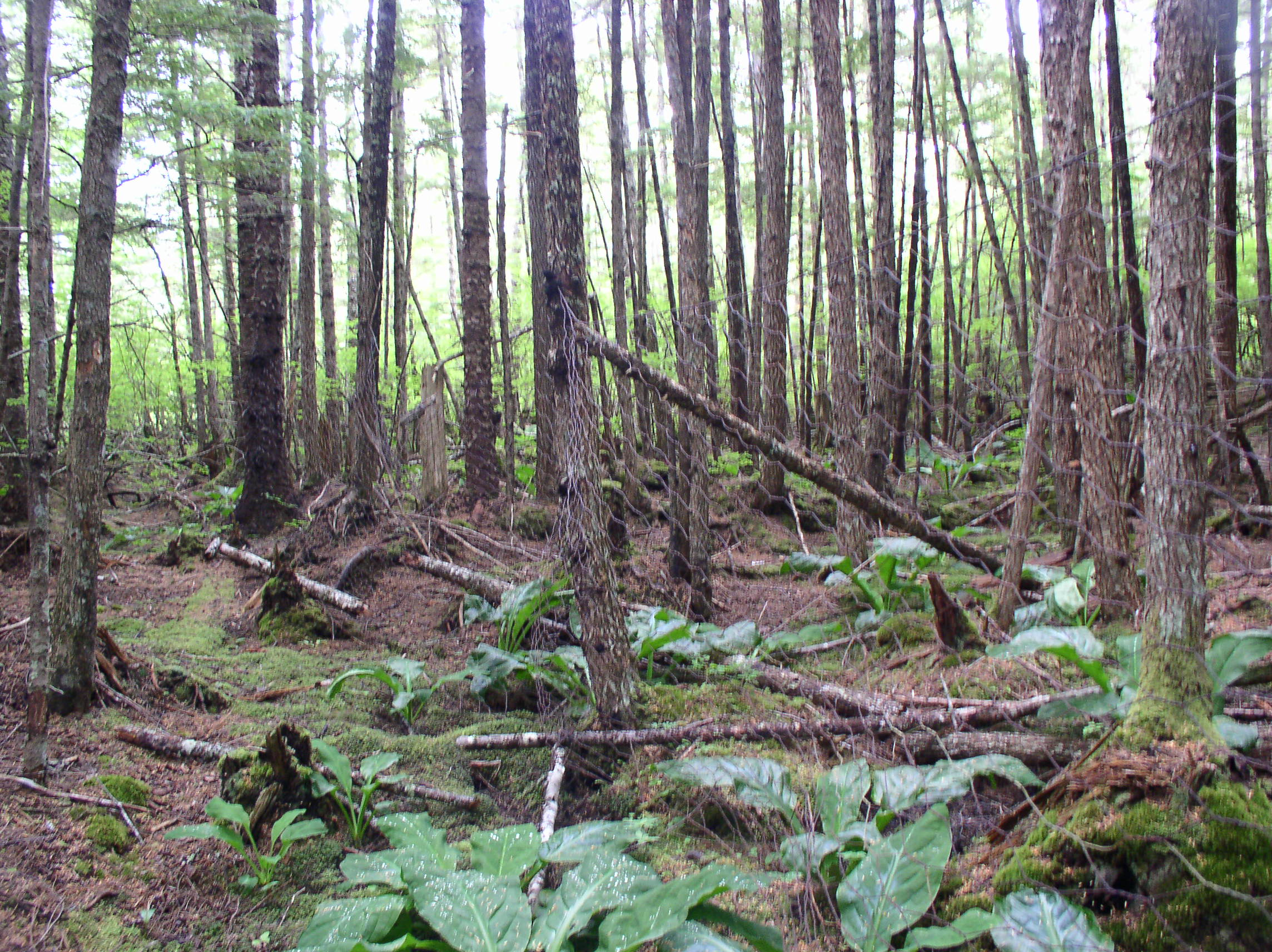
Chicken wire fencing stapled around trees at the Crab Cove fur farm:OLYMPUS DIGITAL CAMERA

Fencing behind the cannery in an area reported to be a fox farm:OLYMPUS DIGITAL CAMERA
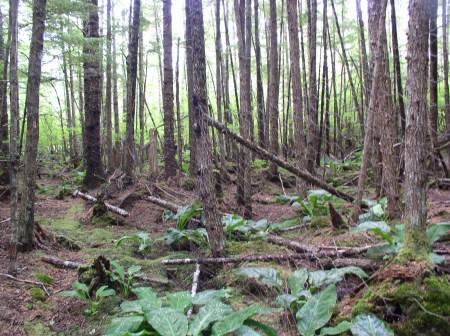
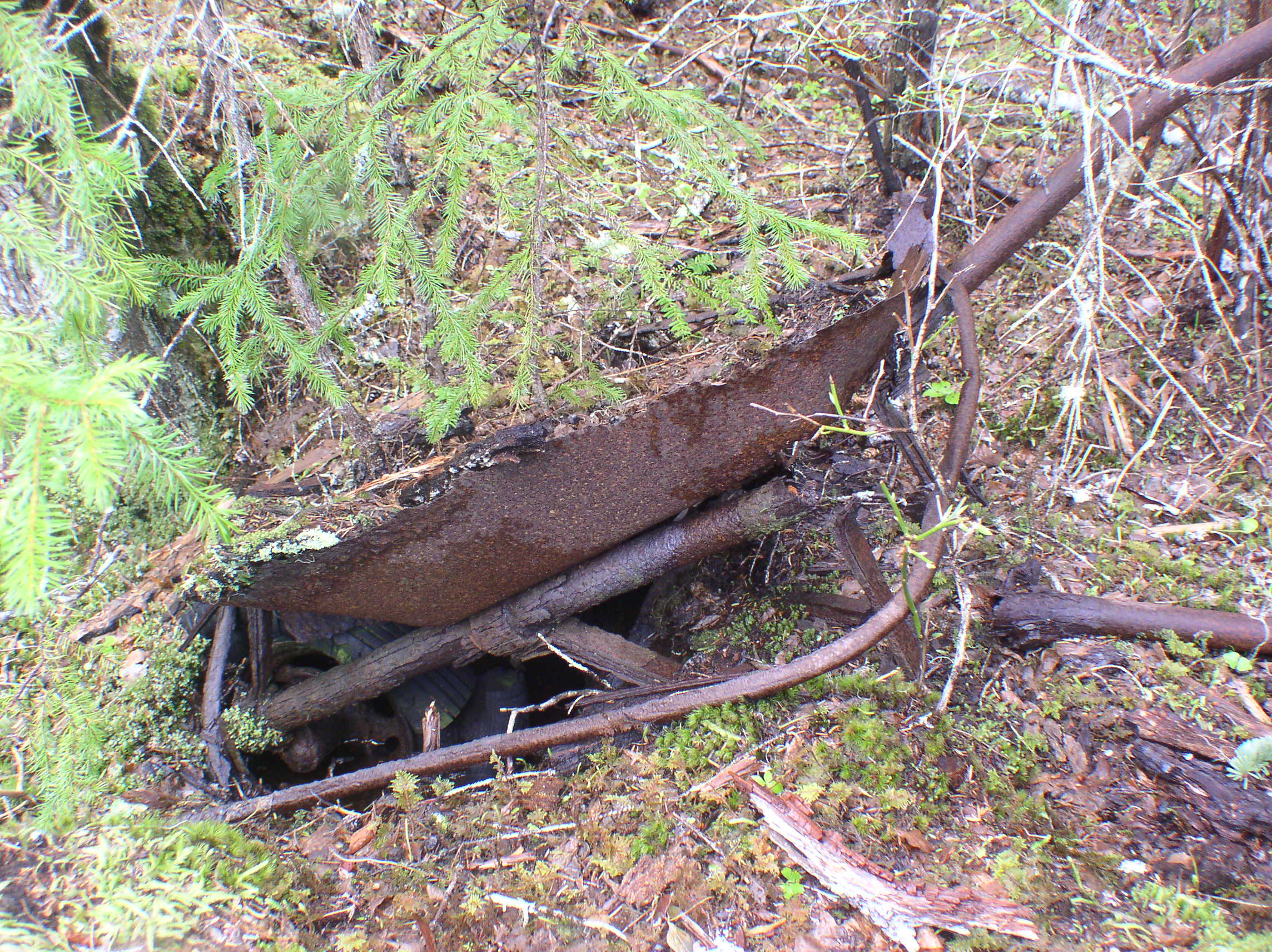
A wheelbarrow at the former cannery fur farm, possibly used to haul fish to feed the animals:
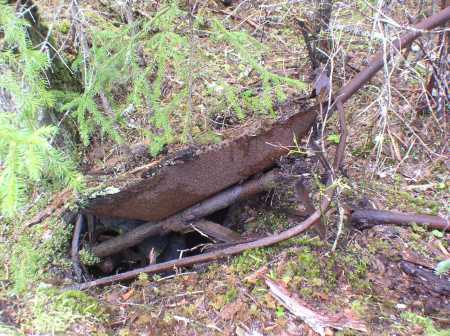
OLYMPUS DIGITAL CAMERA

Another fence near the cannery, this one with actual cut fence post, angle braces, and sections going underground to prevent critters from digging under (I realize these aren’t the most exciting photos, chickenwire on trees doesn’t provide much contrast!):
OLYMPUS DIGITAL CAMERA

Today, mink, marten, and weasels are all common around Funter Bay. As noted, some populations may have been introduced or escaped from farms. While foxes escaped from farms periodically, they were unable to survive on only a foraging diet. Blue and silver foxes are not indigenous to Southeast, and farmers had to provide significant dietary supplements to keep their stock healthy.

Another introduced species, red squirrels, seem to have been transplanted to Admiralty Island in an effort to aid fur farming, and have become an invasive nuisance animal. State and Federal wildlife agencies occasionally transplanted animals, including squirrels, marten, and others.  Local information indicates that the US Forest Service introduced red squirrels onto Admiralty Island in the 1930s as a cheap food source for foxes (I am not sure why they thought this was a good idea, squirrels are better climbers and would easily evade free-range foxes, and a farmer would have to shoot or trap a large number of squirrels to feed their stock). One source claims red squirrels arrived on Admiralty in the 1970s. Another claims they appeared in the late 1940s. This paper quotes the USDA Forest Service as saying red squirrels were released on Admiralty in the 1930s, and claims they are “not invasive”. Red squirrels were also released on Prince of Wales Island, but seem to have been out-competed by indigenous flying squirrels. While locals have long recognized red squirrels (aka wood rats or tree rats) as a non-native nuisance animal, official studies have finally begun to classify them as an invasive species. Squirrels are a major predator of local birds (mostly the eggs) and an annoyance to human residents (they steal insulation and chew wiring).  The Forest Service and ADF&G seem to claim no direct knowledge of their mysterious appearance on Admiralty Island.

Larry Roberts of the Alaskan Fur Farm Database was very helpful in compiling this information, both by email and with copies of his research materials. He is interested in sharing fur farming information with other researchers and the public. His contact information is below:
Larry D. Roberts
P.O. Box 4381
Grand Junction, CO 81502
970-640-7418

rockingrroberts@netscape.net

Sarah Isto was also very helpful with additional information on this topic.

References used for this writeup include:

Roberts, Larry D. Preliminary Select Bibliography in Relation to Historic Alaska Fur Farming. 1 May 2013. Grand Junction, CO.

Roberts, Larry D. “Search Database.” Historic Southeast Alaska Fur Farming. N.p., n.d. Web. 28 May 2013. <http://rockingr.com/home/search-alaskan-fur-farm-database/&gt;.

Roberts, Larry D. Place Names. N.d. A Preliminary Biographical Index to Historic Southeast Alaska Fur Farming; Second Edition. Grand Junction, CO.

Roberts, Larry D. Companies and Individuals. Mar. 2013. A Preliminary Biographical Index to Historic Southeast Alaska Fur Farming; Second Edition. Grand Junction, CO.

Isto, Sarah Crawford. The Fur Farms of Alaska: Two Centuries of History and a Forgotten Stampede. Fairbanks: University of Alaska, 2012. Print.

Ohman, Lazzette. Reflections: A Pioneer Alaskan’s Personal History from the Gold Rush of ’89 to 1980. N.p.: Vantage, 1988. Print.

“Fur Farming.” Wikipedia. Wikimedia Foundation, 07 Sept. 2013. Web. 1 Jun 2013. <http://en.wikipedia.org/wiki/Fur_farming&gt;.

Goldshmidt, Walter Rochs, and Theodore H. Haas. Haa Aani, Our Land: Tlingit and Haida Land Rights and Use. N.p.: University of Washington, 1946.

Bayers, Lloyd H. Captain Lloyd H. “Kinky” Bayers Collection, 1898-1967. N.d. Archival Collection MS 10. Alaska State Library Historical Collections, Juneau, AK.

The Black Fox Magazine & Modern Mink Breeder Vol 6 (1922).
American Fox and Fur Farmer (1922).
American Fox and Fur Farmer Vol 1 (1921).
“Obituaries from End of the Trail.” Obituary for A. R. Brueger. Alaska Magazine, June 1963. Web.  <http://www.alaskaobits.org/obituaries/view.cfm/A-R-Brueger/id/225&gt;.
Good, Warren. “South East Alaska Shipwrecks ” Alaska Shipwrecks. Web.  <http://alaskashipwreck.com/&gt;.
George, Marilyn Jordan. Following the Alaskan Dream. [Petersburg, Alaska]: M.J. George, 1999.
“Obituaries.” Charlie George Sharclane. Juneau Empire, 9 Jan. 2000. Web. <http://juneauempire.com/stories/010900/Com_sharobit.html&gt;.

Alaska Department of Fish and Game. Division of Wildlife Conservation. Game Transplants in Alaska; Technical Bulletin #4. By Thomas W. Paul. 2nd ed. Juneau: n.p., 2009. Print.

United States Forest Service. Alaska Region. Assessment of Invasive Species in Alaska and Its National Forests. By Barbara Schrader and Paul Hennon. N.p.: n.p., 2005. Web. <http://www.fs.usda.gov/Internet/FSE_DOCUMENTS/stelprdb5269749.pdf&gt;.

MacDonald, Stephen O., and Joseph A. Cook. “The Land Mammal Fauna of Southeast Alaska.” The Canadian Field-Naturalist 110.4 (1996): 571-98. Web.

Aubry, Keith Baker., William J. . Zielinski, Martin George. Raphael, Gilbert Proulx, and Steven William. Buskirk. Biology and Conservation of Martens, Sables, and Fishers a New Synthesis. Ithaca [N.Y.: Comstock Pub. Associates/Cornell UP, 2012.

More Funter Bay Fishermen

June 5, 2013

Here are a few more commercial fishermen (and women) who I’ve come across while researching Funter Bay. This is to follow up on my previous post.

Funter Bay has been used as a landmark or boundary point for various fishing regulations through the years.

Pete Hobson, a Tlingit man from Angoon, reportedly died at Funter Bay in 1930 while on the seiner Myrtle. He was mentioned in my previous Funter Bay Fishermen post, it was implied that he owned the Myrtle, and in 1924 he pulled two trollers off the rocks at Funter.

The troller Ada-May was listed as visiting Funter Bay in 1942. She was a 31ft gas fishing boat built in Ketchikan in 1924, belonging to James Paddock of Juneau. (The Ada May was also busted for bootlegging in 1930 off Point Retreat, with Ed Hibler and Scotty & Mrs. Boyce on board).

Max & Ann Dorman lived at Funter around 1943. They had moved to Sitka in the 1970s and were described as retired trollers who lived at Funter and at Elfin Cove. They had the vessel Pal in 1937.

“Bell” and “Al” Schramen fished the boat Aurora, and Bess and Chet Kimmerly had the boat Bess Chet, fishing around Funter Bay. (Per Lazzette Ohman). Aurora is listed as a 38′ fishing boat built in Bellingham in 1948. Bess-Chet was a 37′ fishing boat built in 1957 in Tacoma.

In 1954 the troller Helen was found beached at Funter Bay by the crew of the Mabel CGeorge J. Harju, 48, of Juneau was found dead at the Helen‘s wheel of an apparent heart attack. (per Pacific Fisherman Handbook, Vol 52).

Cora and Curly Warnock were Funter Bay residents (Per Lazzette Ohman). I’m not sure if they fished, they may have been hunting guides.

An “officious and profane resident” fishermen in Funter Bay was reported in 1973. There are probably several people this could have been! (This is sometimes the attitude towards “yachty” boats, fishermen usually don’t want “tourists” tying up next to them due to conflicting schedules, or just general cussedness).
profane

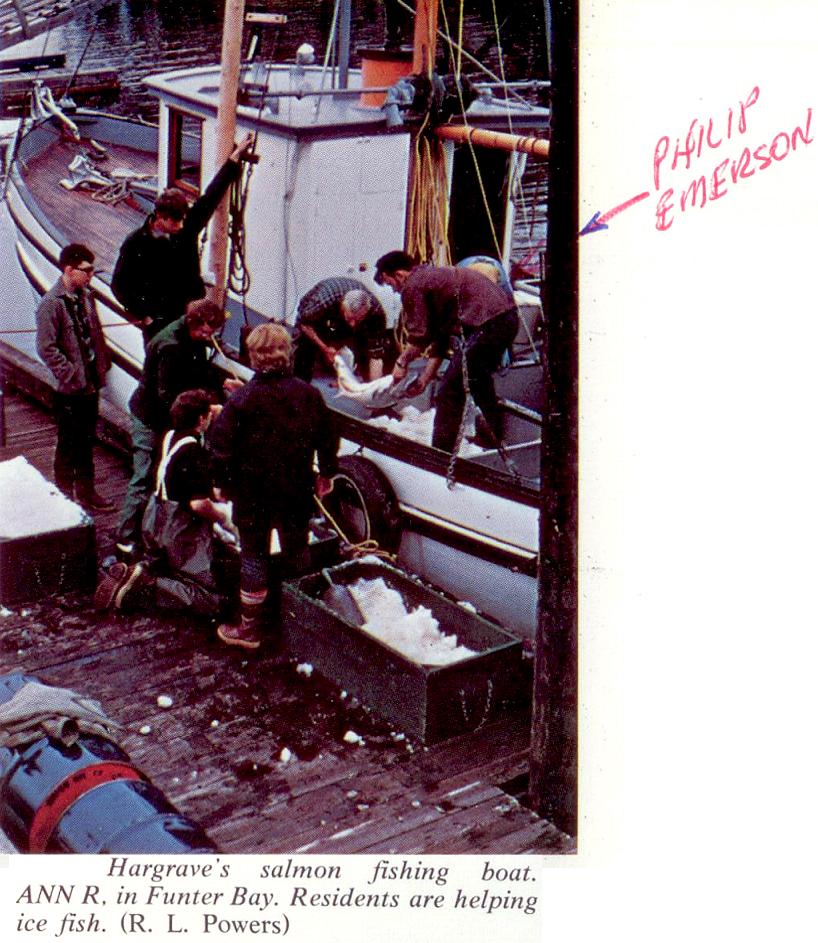
I’ll probably have another fishing update in the future, but to wrap this one up, here’s a picture from Alaska Geographic magazine with my Dad on Harold Hargrave’s boat. Thanks to Richard Powers of the Whaler’s Cove Lodge for giving me permission to use his photo! This was from the Summer 1973 issue  (Vol 1, No 3, “Admiralty…Island in Contention”).
Dad 1973


Funter Bay History – Dano Mine

May 27, 2013

The Alaska Dano Mining Co (aka Alaska Dano Mines Co, merged with Keystone Gold Mining Co) operated a medium-size mine at the South shore of Funter during the first third of the 20th century. Charles Otteson and Willis. E. Nowell were the chief developers of this mine. Some of the claims were apparently located by local prospector Richard Willoughby (more on him here).

dano closeup

Charles Ottesen of Denmark left home early to become a sailor. He eventually ended up in Tacoma where in 1890 he married Mary Neilsen, also of Denmark. In the mid 1890s they moved to Juneau. Around 1900 (some sources say “prior to 1898”), Charles staked several mining claims around Funter Bay (some sources misspell his name as Otterson or Patterson). Both Charles and Mary lived and worked at Funter Bay and in Juneau, commuting back and forth in a sailing sloop. Charles later worked as a caretaker at Funter Bay until the late 1940s. Here’s a photo of the couple at Funter Bay.

Charles Ottesen:
Ottesen

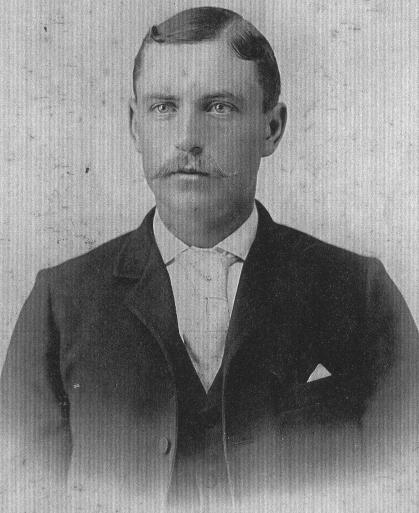
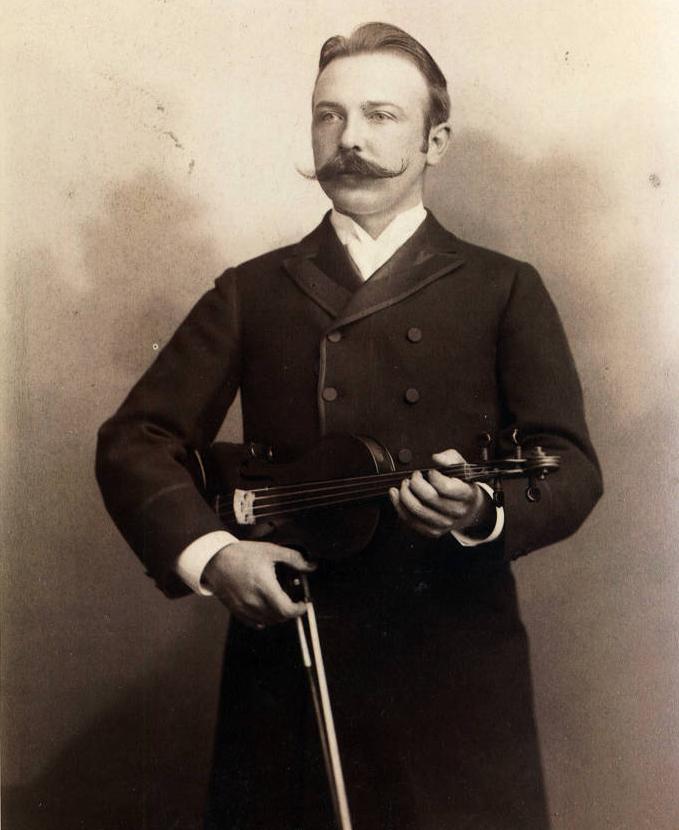
Willis E. Nowell came from a family of miners and mine managers. His father Thomas Nowell came to Alaska in 1885, along with his brothers George and Benjamin, helping to found the the Berners Bay Mining and Milling Co. The Nowell family did some mining elsewhere in the US, and was very active (though not always successful) in Juneau-area mining for several decades, including Berners Bay, Perseverance Gulch, Sheep Creek, Douglas, and other areas. Thomas’ son Willis Nowell Sr. was a prominent violinist, who switched his career to mining after visiting his father in Alaska. He continued to play the violin in Juneau. Willis also became an agent for the Alaska Steamship Company. Willis’ brother Frank was a noted photographer in Alaska. A street in West Juneau is named after the family.

Willis E Nowell with violin:
willis nowell
Courtesy of Alaska State Library, Nowell Family Photograph Collection, P402-03

Side note: I am tempted to start calling this blog “Funter Bay, a history of Mustache Enthusiasts”

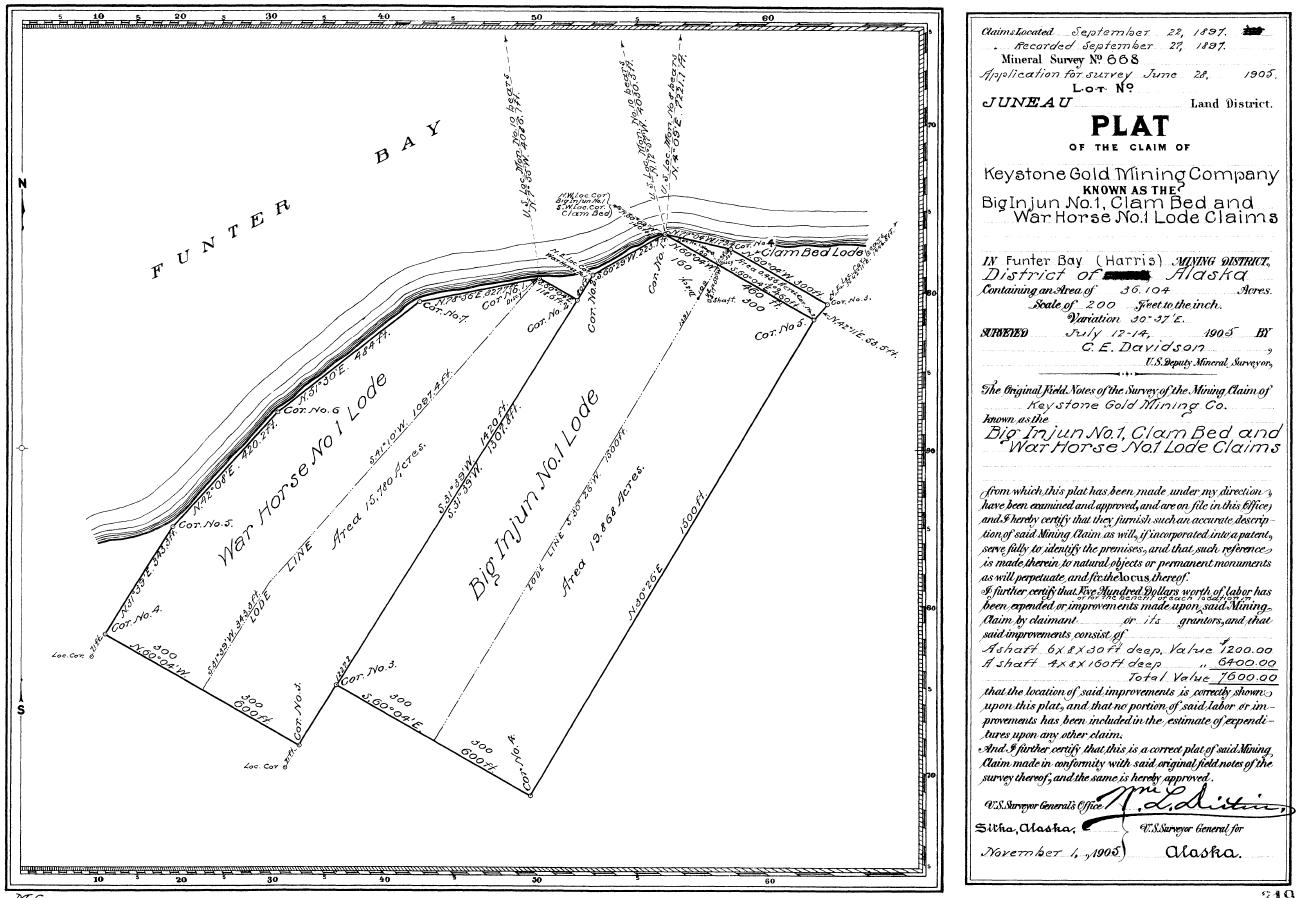
The Alaska Dano / Nowell-Otteson mine included workings in several locations. Original claims and development occurred near the sandy beach at the South shore of Funter Bay. Later, the claims extended in a long swath to the SE, and included a longer tunnel high on the side of Mount Robert Barron (the apparent goal being to follow a “ledge” or vein, of quartz from its outcrop near the beach to a hoped-for “mother lode” in the mountain). The company built a corduroy road through the swampy muskeg from their beach camp to the base of the mountain, and trails to the various mine workings. They do not appear to have had much mechanization beyond ore carts, some small stationary steam engines, and the tractor for the road.  There were no major aerial trams or railroads (It’s possible that there was more equipment which was salvaged when mining wound down). The Dano mine later logged an area of old growth forest near the end of their road, leaving a clearcut which is still visible in infrared aerial photos.

Funter claims 1921

The first claims along the beach were staked by the Keystone Gold Mining Company in 1897. The War Horse Lode, part of Alaska Keystone’s properties, is listed as part of the Dano mine, so it is likely there was some consolidation of claims and mergers of companies (or different companies owned by the same people). There were several companies named “Keystone”in the late 19th and early 20th centuries, I am not entirely sure which, if any, were related. A 1906 government report notes that the Alaska Keystone Company did some development work on the War Horse Mine in 1897 and 1900, including a 48 and a 125′ shaft, and 320ft of drift. Ore was supposedly returning $100 of gold per ton. No work was reported between 1900 and 1906, although the company filed as a “foreign” (out of state) corporation in 1905. Later work on these claims is attributed to the Alaska Dano Mining Co, and the Dano company’s “Little Dandy” Lode was staked across the former War Horse and Big Injun claims of the Keystone company around this time. Also confusing is the appearance in the late 1920s of the “Williams Mine”, which was actually in Hawk Inlet on the other side of Mt. Robert Barron. Some modern-day documents refer to the upper Dano workings as the Williams Mine.

Keystone

Today, much of the beach property has been patented (made permanent private land, vs a temporary mining claim), and has been subdivided into private cabin lots. (Almost all of the sandy beach area above the high tide line is private property, if you are visiting Funter, please avoid trespassing).

The Dano operation does not appear to have had a permanent dock, relying instead on the smooth sandy beach and protected stream mouth in front of their camp to land boats.

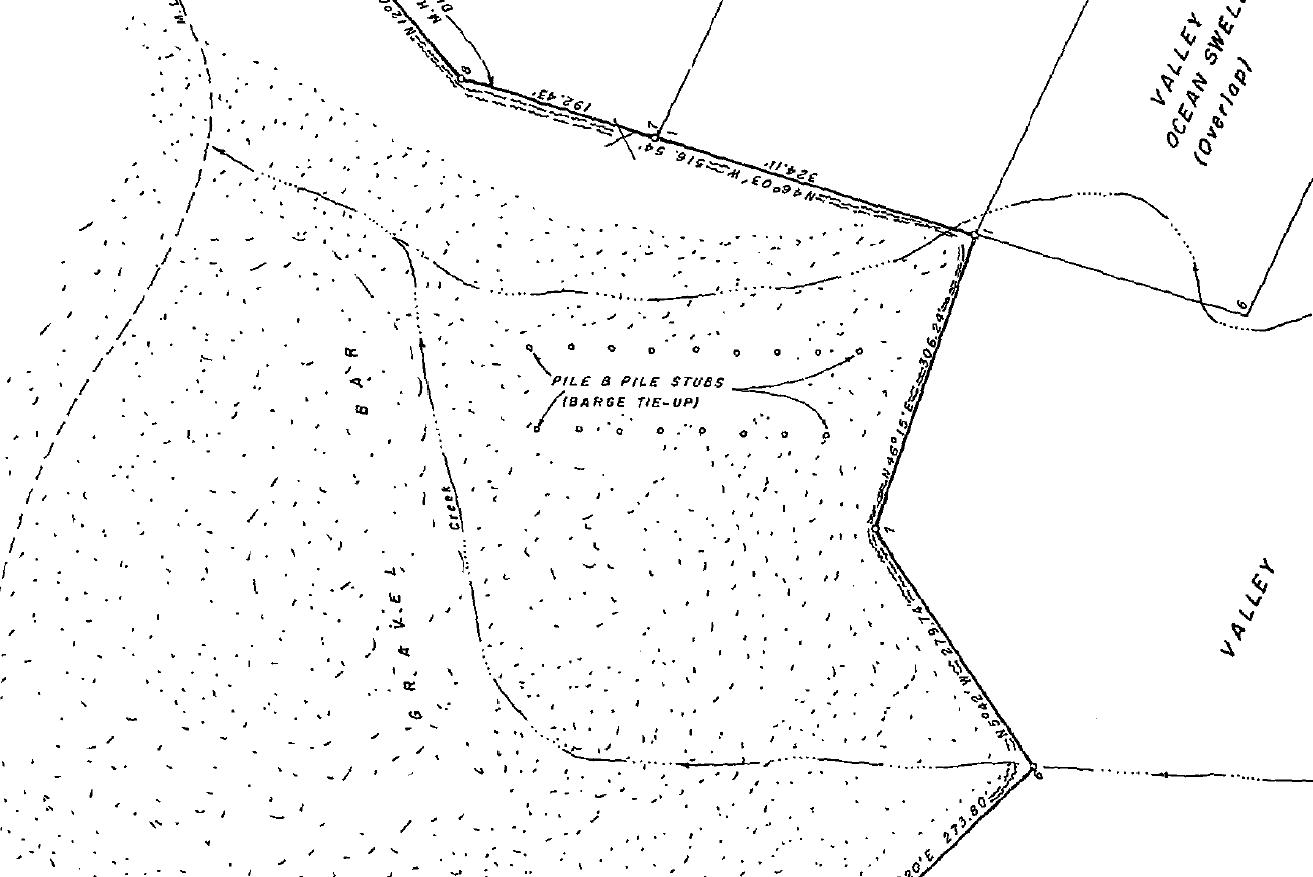
A barge tie-up on the tidal gravel bar at the mouths of Ottesen Creek and Dano Creek. (I previously had this listed as part of a cannery fish trap, but further review of the position, and the tidal location, leads me to believe it was related to the mine):
Pilings

dano 1921

A general timeline of operations at the Alaska-Dano:

(Context: Joe Juneau and Richard Harris “discovered” (were shown by natives) gold in Juneau in 1880. Mines quickly sprang up including the Treadwell, Perseverance, and other operations nearby. Prospectors soon spread out into the surrounding mountains and islands in search of more gold).

1868: Captain J.W. White of the survey vessel Wayanda notes some promising geology at Funter Bay.
1880:
George Pilz (who bankrolled Harris and Juneau) finds some gold at Funter Bay (per Roderick).
1887:
Prospectors Richard Willoughby and Aaron Weir (or C. Weir or Ware?) stake some claims at Funter Bay. (per Roderick’s Preliminary History and others).
1889:
The Nowell Company bonds some of “Willoughby and Ware’s” claims for $50,000. Nowell spent several thousand on development, backed by an Eastern Company, but one report states that they abandoned the initial dig since the ledge (vein) dried up as it got deeper.
1897
: Gold deposit discovered near the sandy beach, War Horse Mine development begins.
Pre-1898: Otteson stakes various claims at South shore of Funter Bay.
1900: Two shafts had been dug (50ft and 125ft), and 320ft of tunnel (This is probably the work of the Keystone Gold Mining Co).
1905: The Keystone Gold Mining Co files as an out of state corporation.
1916: “Otteson Group” of claims staked.
Before 1919: A “good trail” had been built from the bay to the top of Mount Robert Barron, and a 200′ tunnel was driven at an elevation of 1,050 feet.
1919: Geologist J.B. Mertie notes promising quartz outcroppings at the “Nowell Otterson” group of claims.
1920: The Alaska Dano company is formed.
1921: The company reported a large amount of “free gold”. 100′ of tunnel and a winze (angled shaft) had been dug.
By 1922 they had another 250′ of tunnel.
1924 and 25: “A limited amount of development work” was done.
1926: Some prospecting work was done, but no production was reported.
In 1927, Only the minimum work to maintain claims was done.
In 1928, “Prospecting work only” was carried out.
1929: “A little development work” included driving 76 feet of tunnel. The Williams Mine apparently had some leasing discussions with Dano.
1938: Property listed as “Idle”, with “Intermittent development”
1945: Willis Nowell passed away, his family applied to secure his stock in the Alaska-Dano mine.
1955: Charles Ottesen passed away.
1960s: Fred Eastaugh became involved with the property.
1968-69, the Dano company did some logging.
A 1981 report mentions that 265ft of tunnel was dug after 1900, and that only 100oz of gold was produced (some documents indicate that more was run through a neighboring mill under contract, and the output would be higher if listed seperately)
1991: Fred Eastaugh listed as president of the Alaska Dano Mines Co.
1994: Some surface mapping and sampling performed.
1996: “Alaska Dano Claimants” performed limited sampling and re-staked claims on federal land adjacent to the patented claims.

It appears the Dano’s investment money dried up during the 1920s and never really reappeared. The major workings completed included a 400′ tunnel, several shorter tunnels, some relatively shallow shafts, various open cuts, the road, timber clearcut, and other minor work.

Despite apparently limited returns, activity never quite stopped at the Dano claims. After the big gold finds in the Juneau area, prospectors were always hoping to find the “next big thing”, even into the 80s and 90s. The Greens Creek Mine across Mt. Robert Barron turned out to be the “next big mine” of recent times, and more recently the Berner’s Bay mines have begun reopening. Today, there is renewed interest in some other area mines, as gold prices continue to rise. Mining companies continually poke at the Juneau mines hoping to get approval to re-open. Dano maintained most of their claims, and continued doing development work to meet the maintenance requirements. The logging operation may have been an attempt to make more profit from the property outside of mining.

Present-day remains:

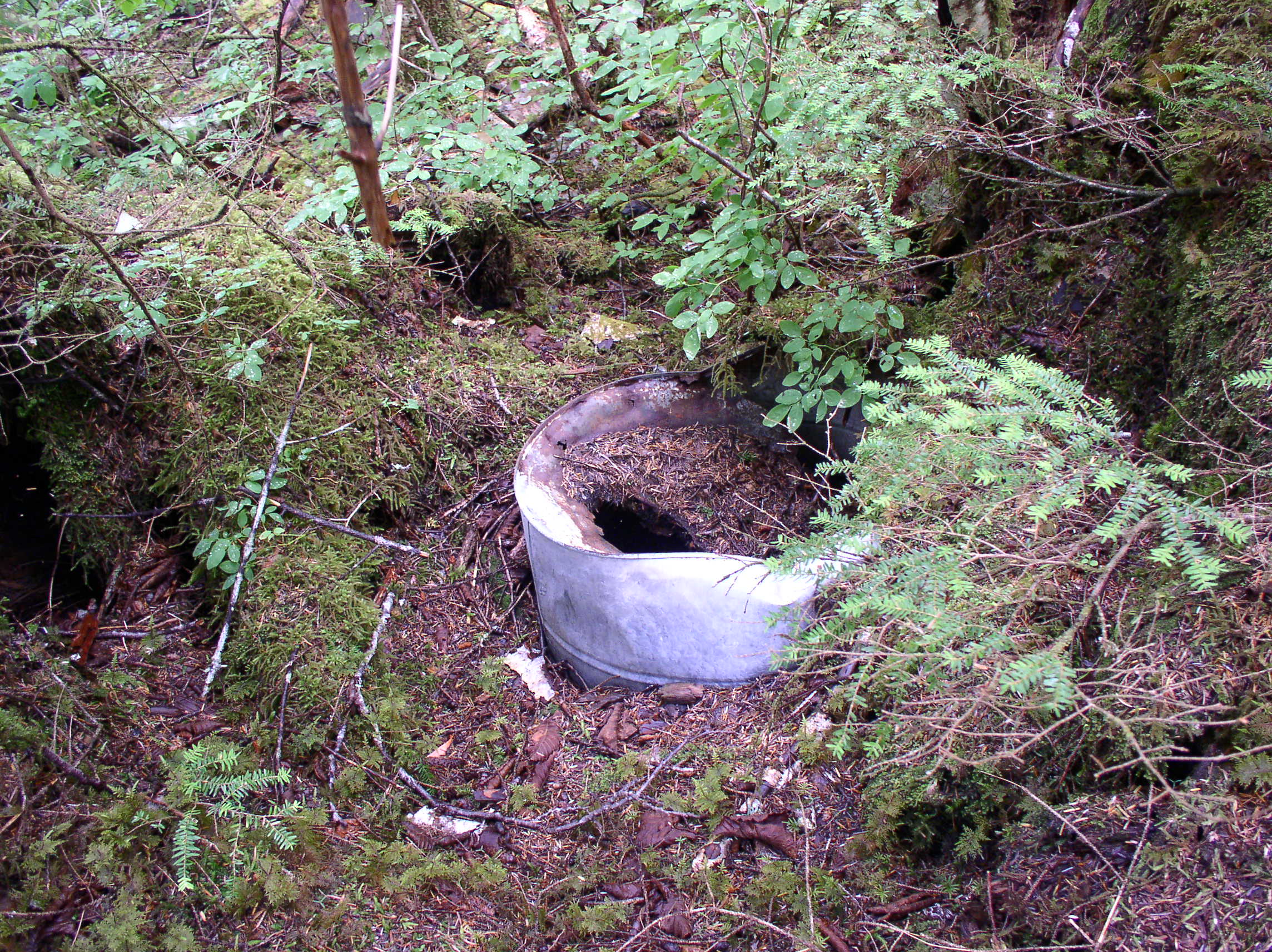
There are still a few remains of the Dano camp near the beach. Early work included a few open cuts, shafts, and tunnels. The most prominent remaining feature is the steam boiler which probably powered their shaft hoists and possibly other equipment.

Directly in front of the boiler is a semi-collapsed shaft, with a few logs over it and a metal pipe leading down into it (probably for a dewatering pump). Some of this wood might be the remains of a small headframe:

0a-dano-shaft-boiler

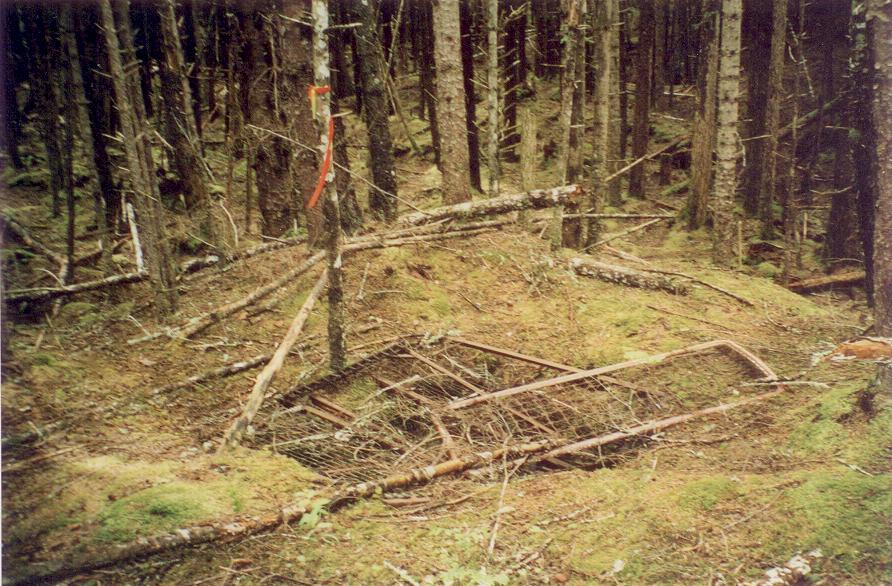
Another shaft nearby. This one has been made “safe” in the time-honored tradition of Western mining: Throw some bed frames over it and call it a day:

0a-dano-shaft2

Part of a winch found nearby, which may or may not be related to one of the shafts (it could also be part of a boat):

OLYMPUS DIGITAL CAMERA

Shorelines around Funter Bay tend to come in “benches” that show where the sea level used to be. This is not due to sea level dropping, but the land rising! After the glaciers retreated, the ground tended to “bounce back“, and raise a bit. Travelling inland from the water, you would generally observe a 10′ dropoff just below extreme low-tide line, a 10′ bluff a little above extreme high-tide line, and another 10′ bluff back in the woods where the old high tide line was (you can find clamshells near the back bluff that aren’t old enough to be fossils, showing that the change was fairly “recent”).

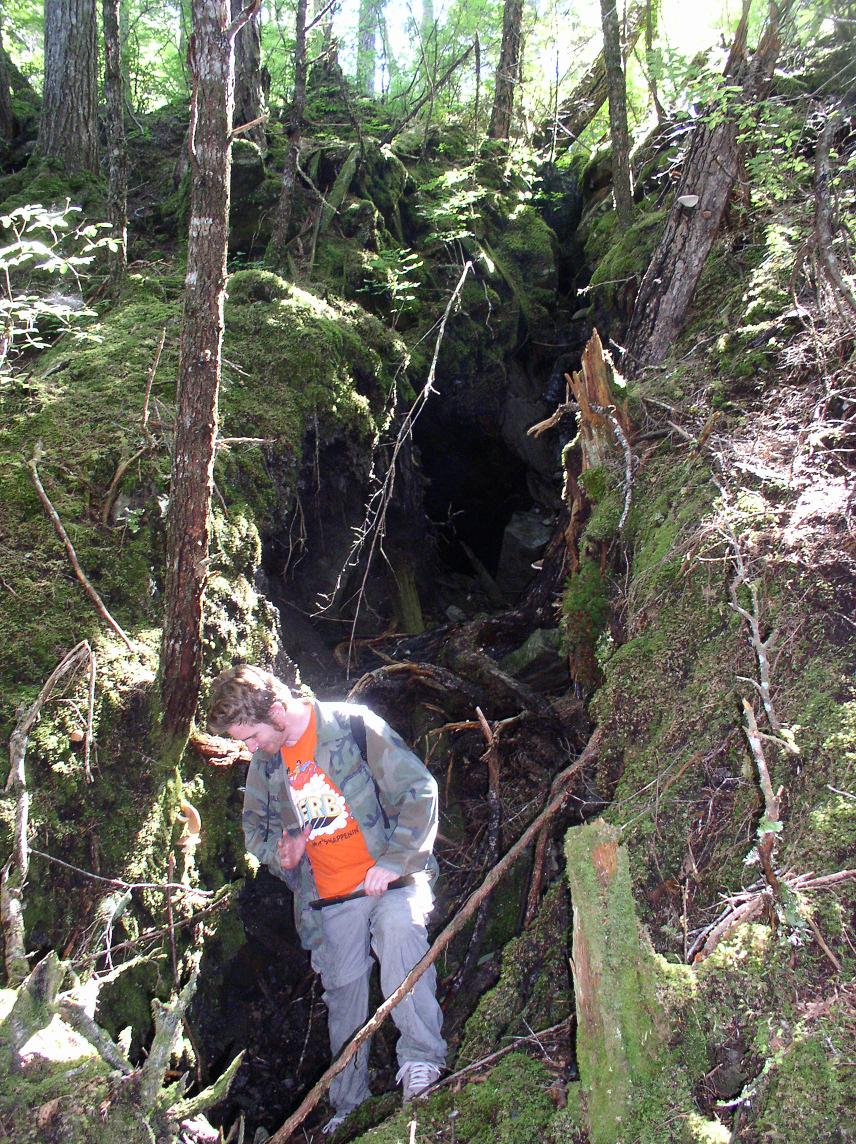
Below is a tunnel into the back bench behind the Dano beach camp. It was fairly unstable and flooded, I would not recommend going into this (or any) tunnel:

OLYMPUS DIGITAL CAMERA

Eventually, the near-shore deposits either proved marginal, or the difficulty of digging shafts near sea level caused the miners to move farther back from the shore. The Dano claims stretch all the way to the top of Mount Robert Barron, and I believe there are some small shafts very high on the mountainside (At the “two shafts” lode).

Dano claims (shaded), and tractor trail to the base of Mt. Robert Barron:

OLYMPUS DIGITAL CAMERA

The main adit, was located closer to the base of the mountain, next to a small waterfall on Dano Creek. The corduroy road up to this mine is marked on various topo maps as a trail, a tractor trail, or a road. Likely the mine used a gas crawler tractor to haul supplies and equipment up to the adit from the beach.

Part of the Dano mine’s corduroy road:

OLYMPUS DIGITAL CAMERA

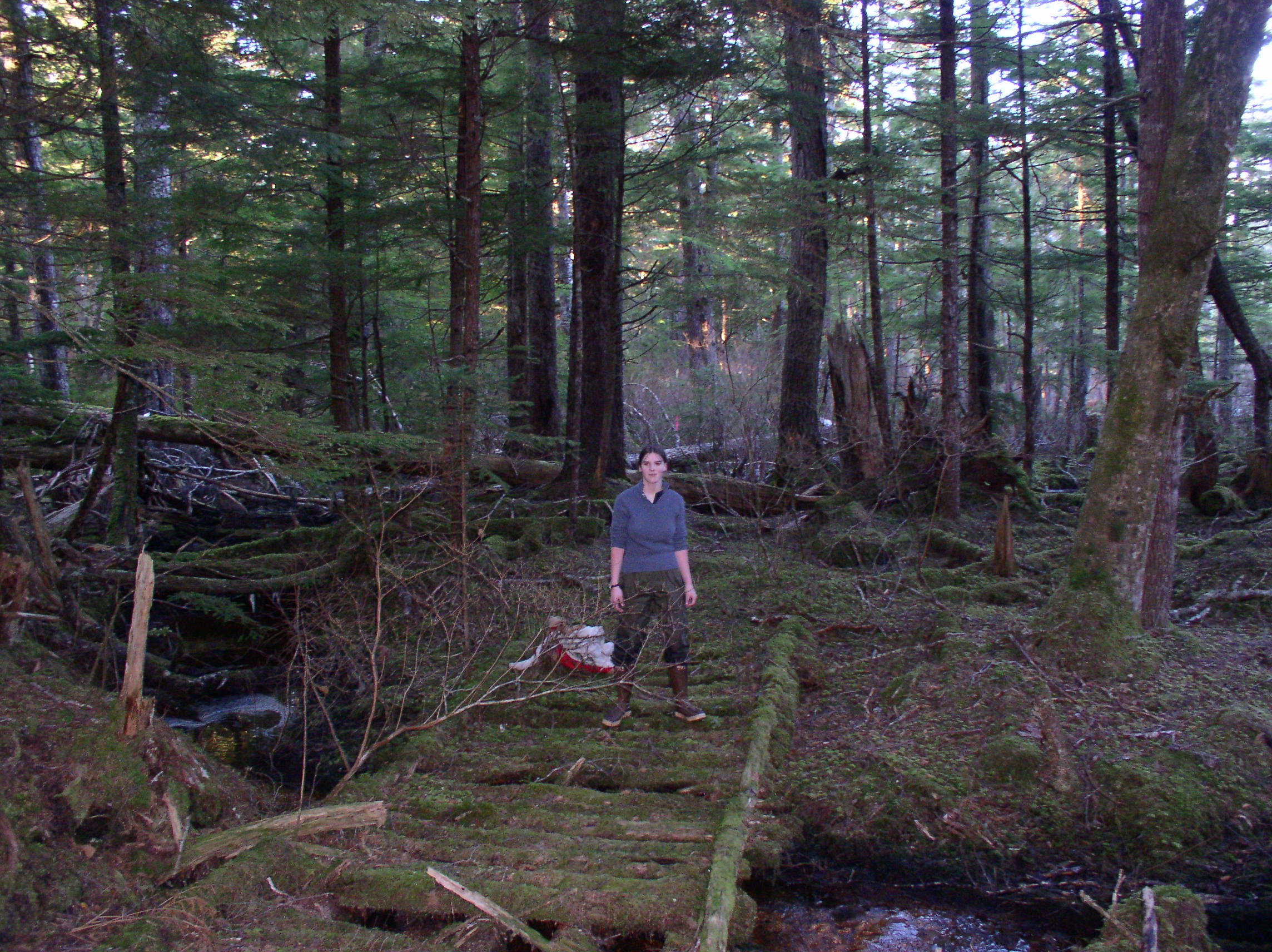
A bridge on the Dano road over a small stream:
OLYMPUS DIGITAL CAMERA

Not much is left of the road, most of the corduroy has rotted back into the ground cover. It’s still possible to follow it with some bushwhacking, but it’s not really a useful or passable trail. Beavers have dammed up parts of the muskeg along the way, flooding the route of the former road in a few places.

Higher on the mountain, a few more signs of the Dano Mine are visible. This is a cabin site near the mine’s upper tunnel (sometimes referred to as the Otteson Mine). There’s not much left of the cabin aside from some logs, metal bits, and stove parts.

OLYMPUS DIGITAL CAMERA OLYMPUS DIGITAL CAMERA OLYMPUS DIGITAL CAMERA

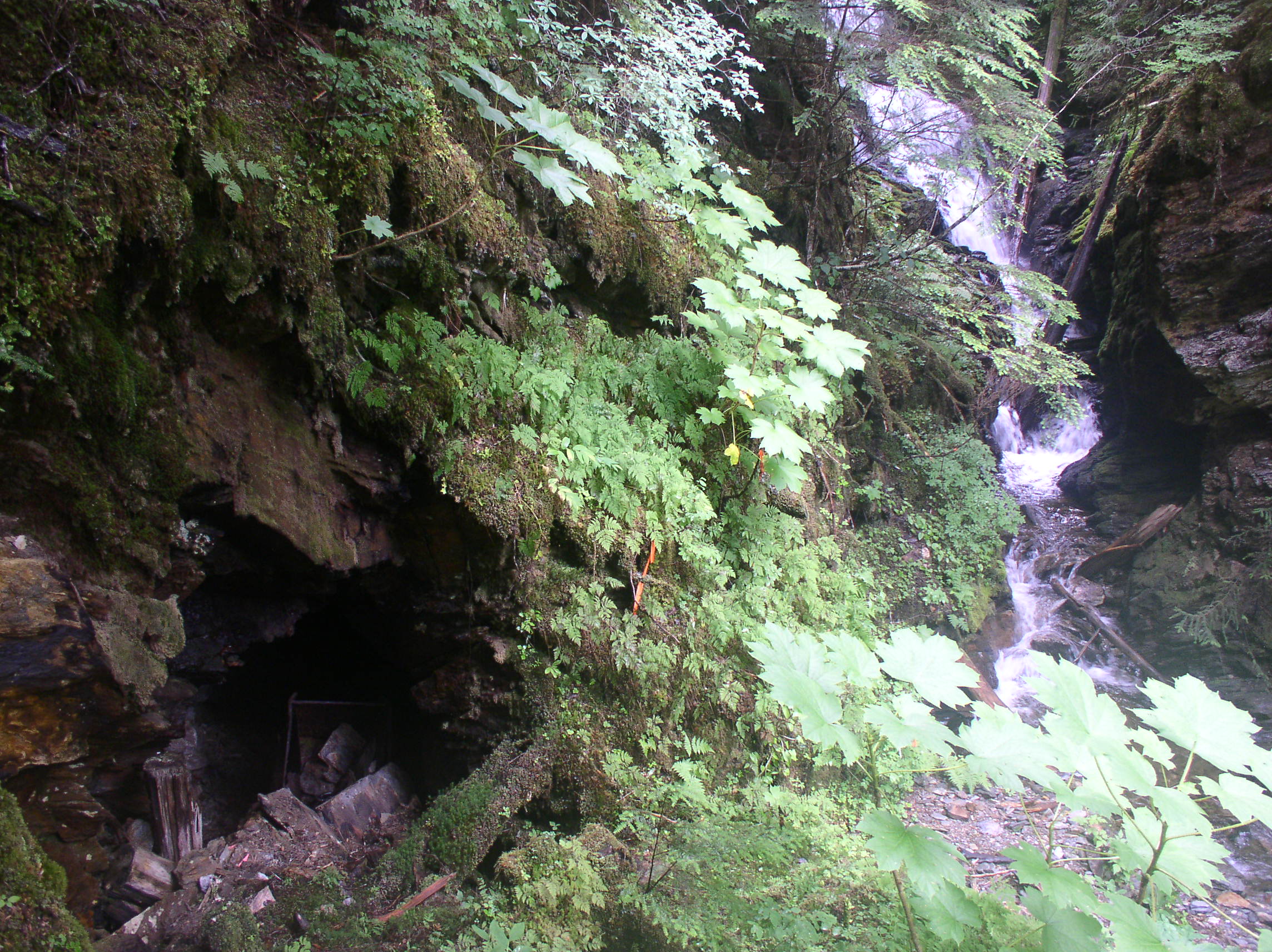
The mine adit (tunnel entrance) is immediately adjacent to Dano Creek. Mines in Southeast tend to be damp due to the high humidity and prevalent groundwater, but there is likely even more flow into this tunnel due to the stream. This has probably contributed to some of the collapse near the entrance.

(Note: I do not recommend that you go in any mine workings. They are often dangerous, unstable (as seen below), and many are still private property).

OLYMPUS DIGITAL CAMERA

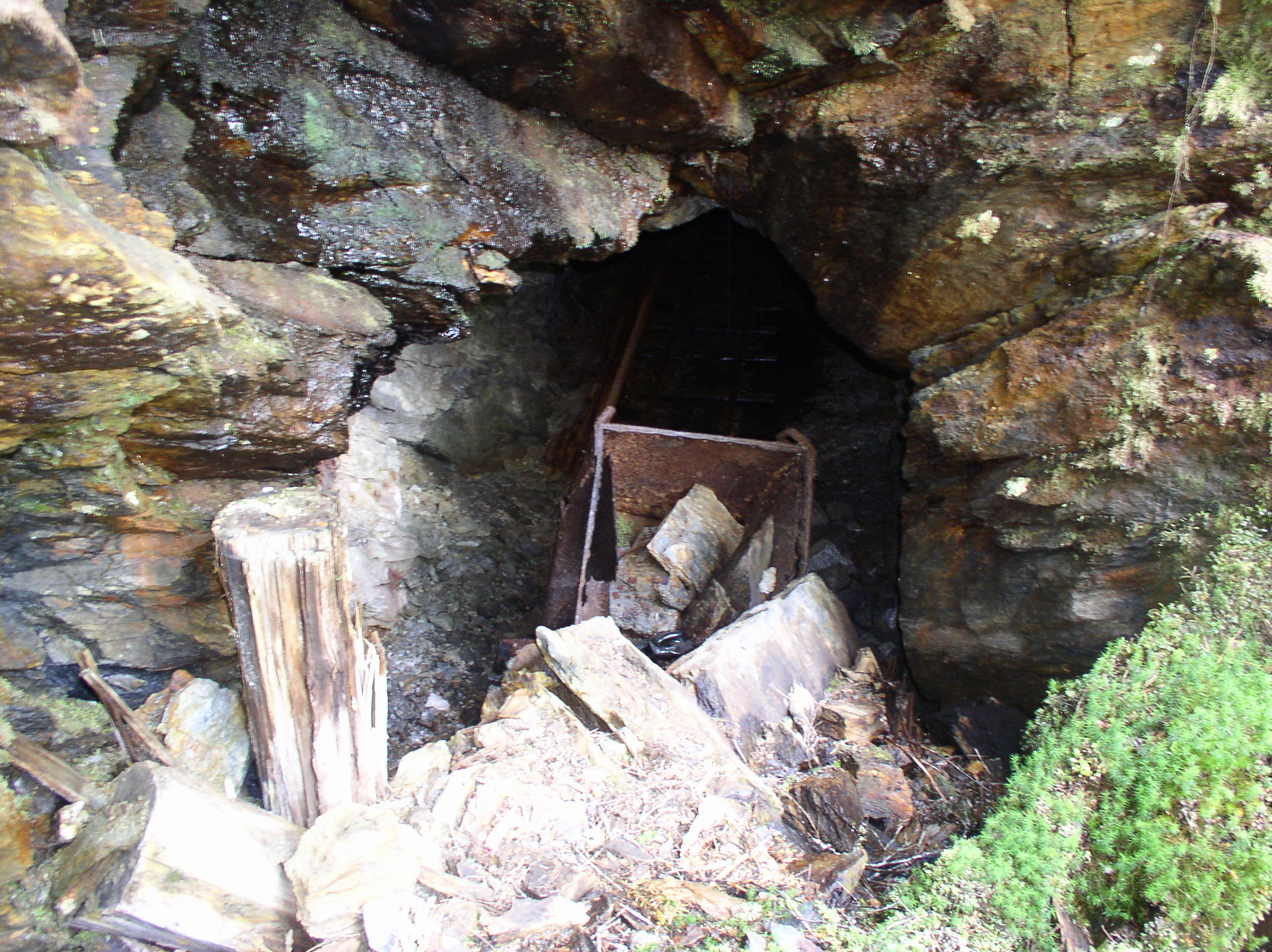
The adit has collapsed somewhat, crushing this ore car:

OLYMPUS DIGITAL CAMERA

OLYMPUS DIGITAL CAMERA

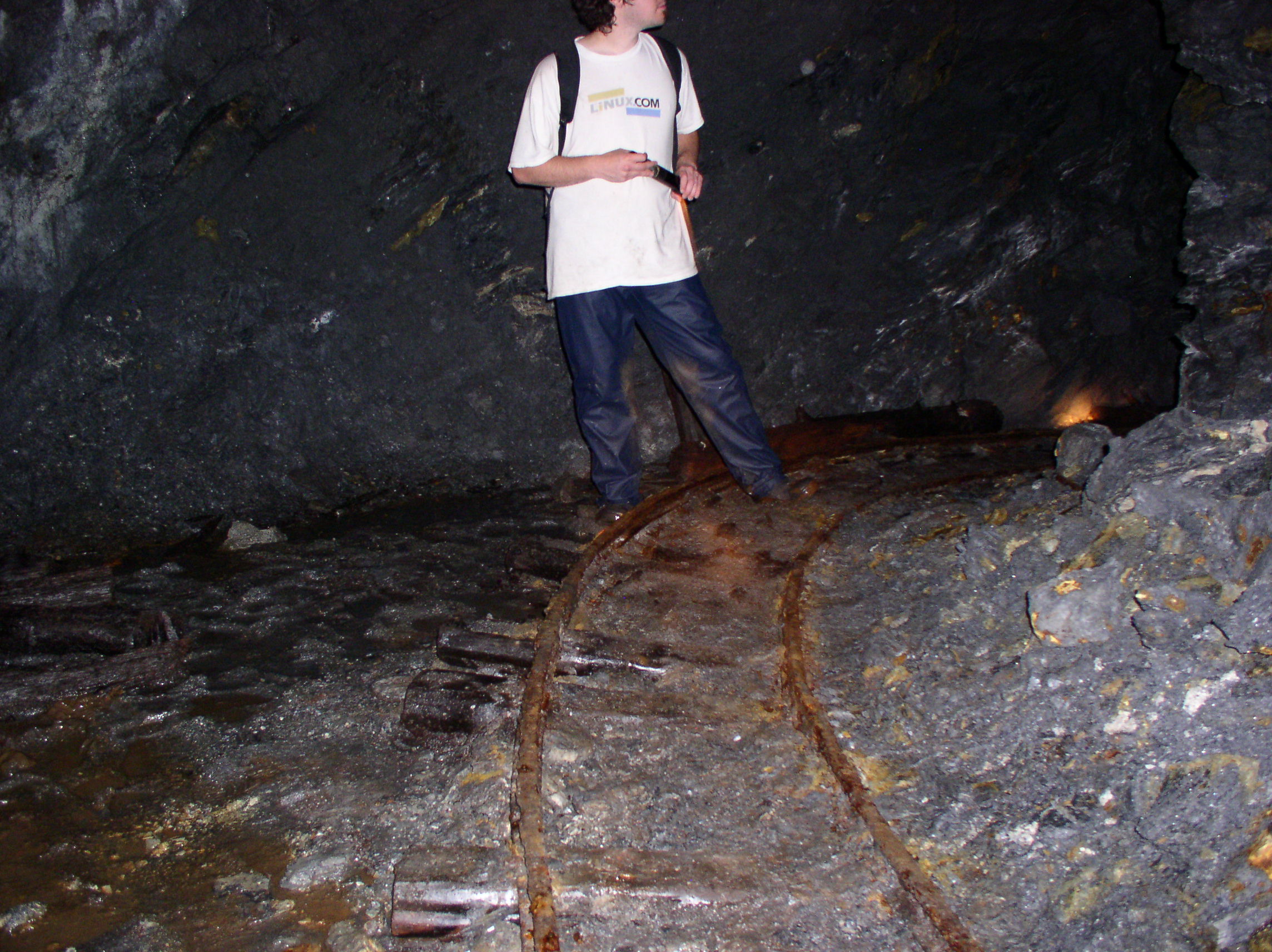
Inside the tunnel, tracks along the floor are still in decent condition, despite the high humidity:

OLYMPUS DIGITAL CAMERA OLYMPUS DIGITAL CAMERAOLYMPUS DIGITAL CAMERA

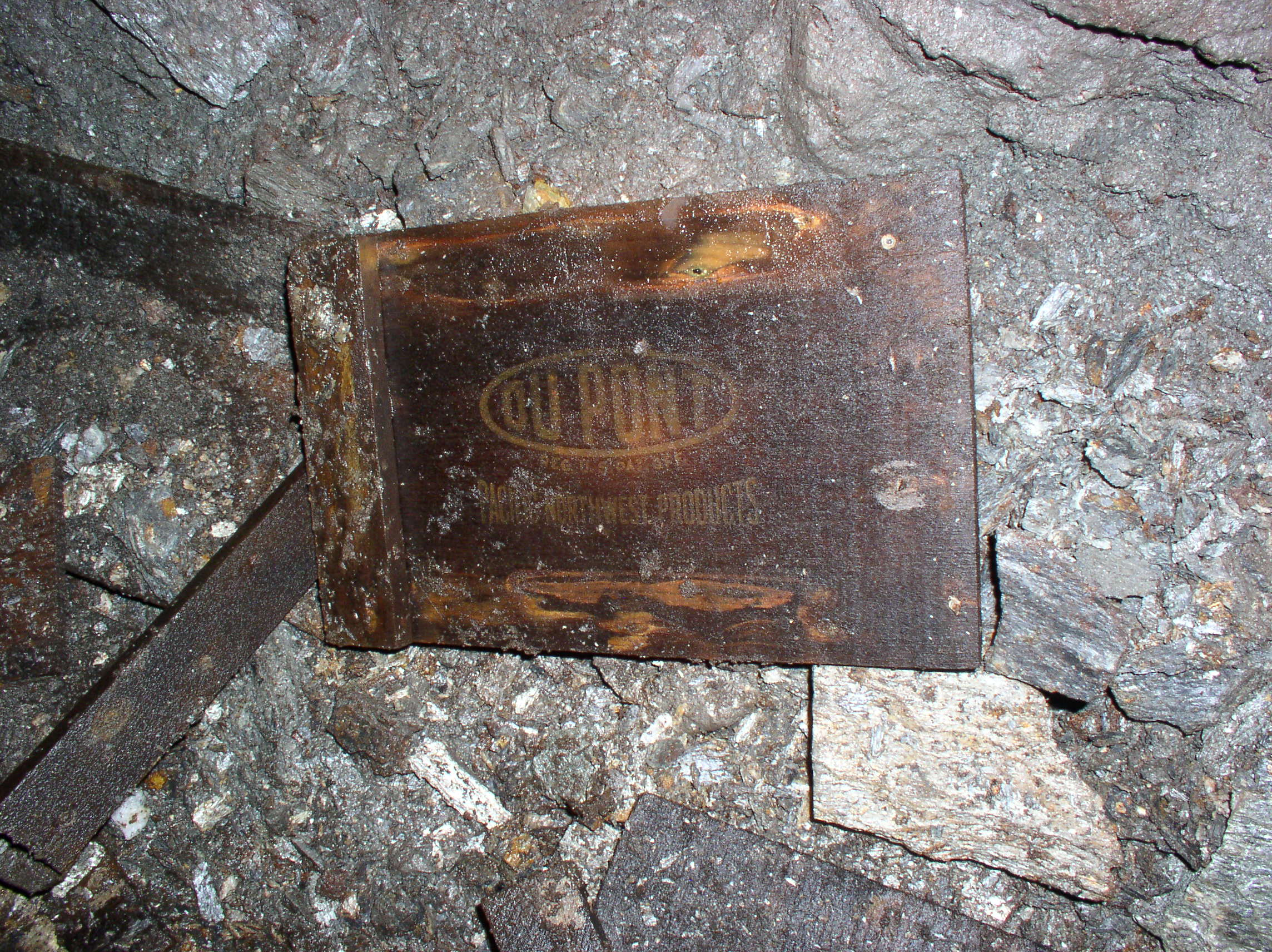
Part of a Dupont dynamite box:OLYMPUS DIGITAL CAMERA

Tools and a rail bending jig (The C-shaped thing):

OLYMPUS DIGITAL CAMERA

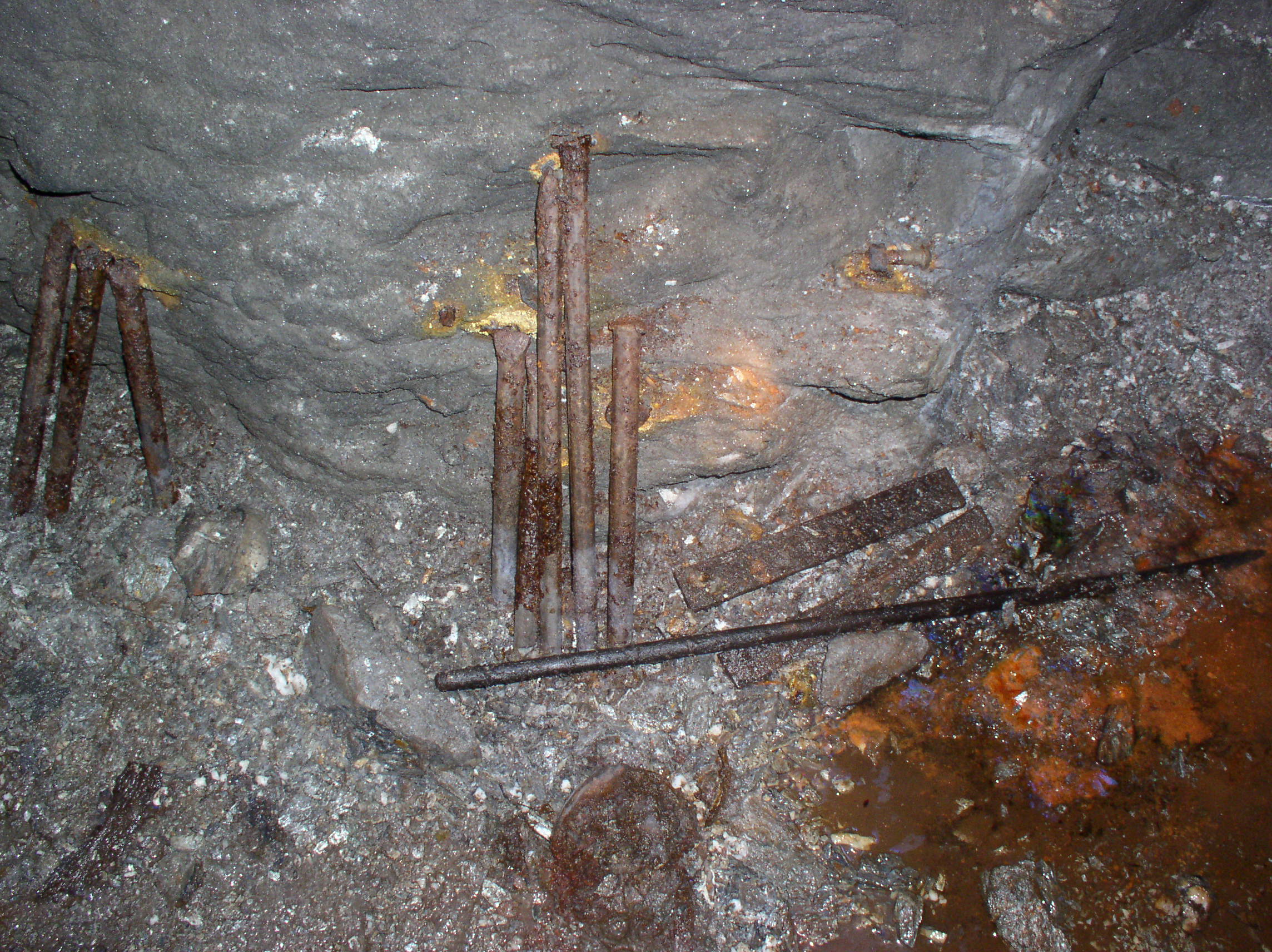
Drill bits:

OLYMPUS DIGITAL CAMERA

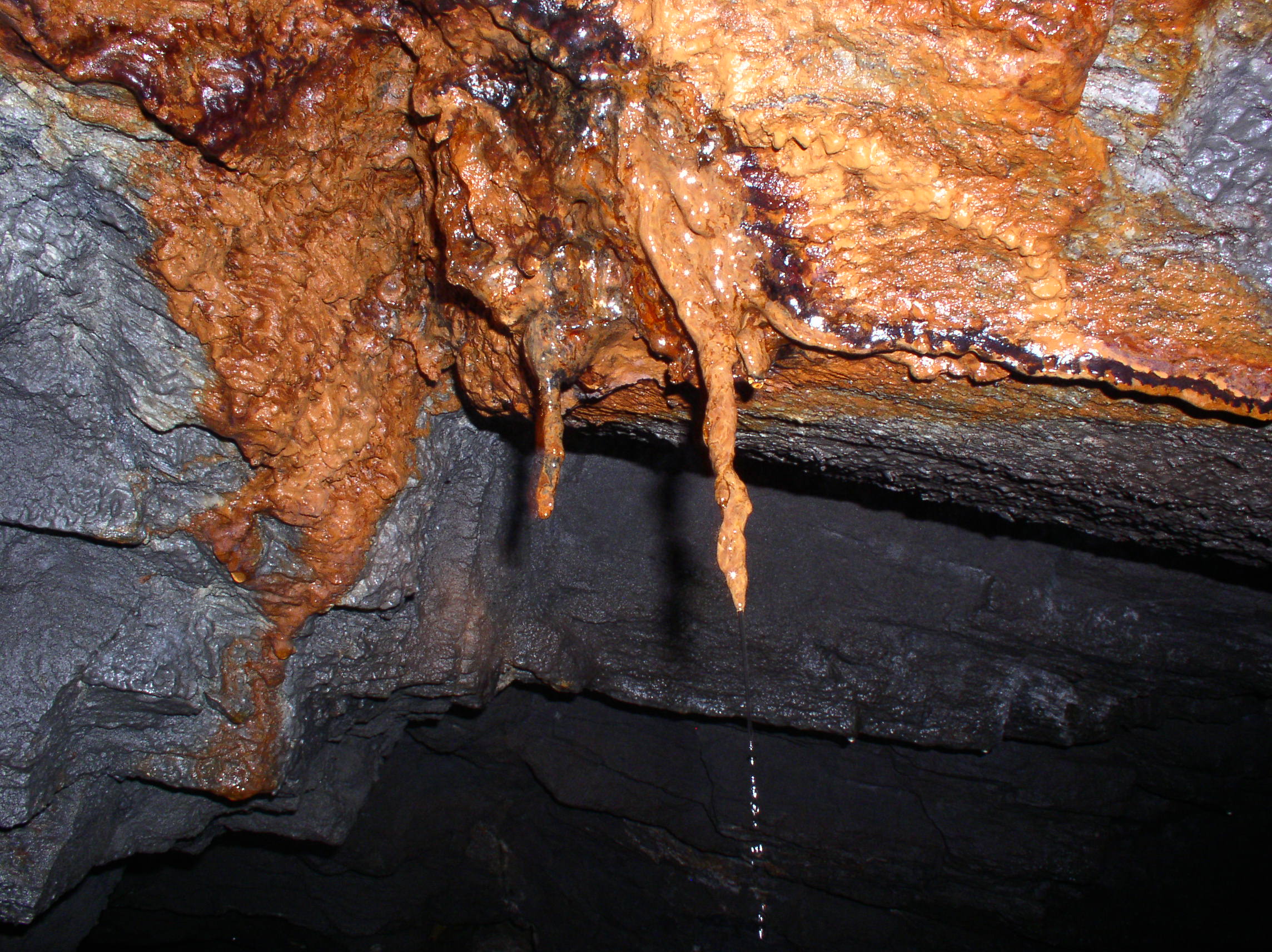
Iron leeching from a metal ore vein with water pouring off an iron stalactite:

OLYMPUS DIGITAL CAMERA

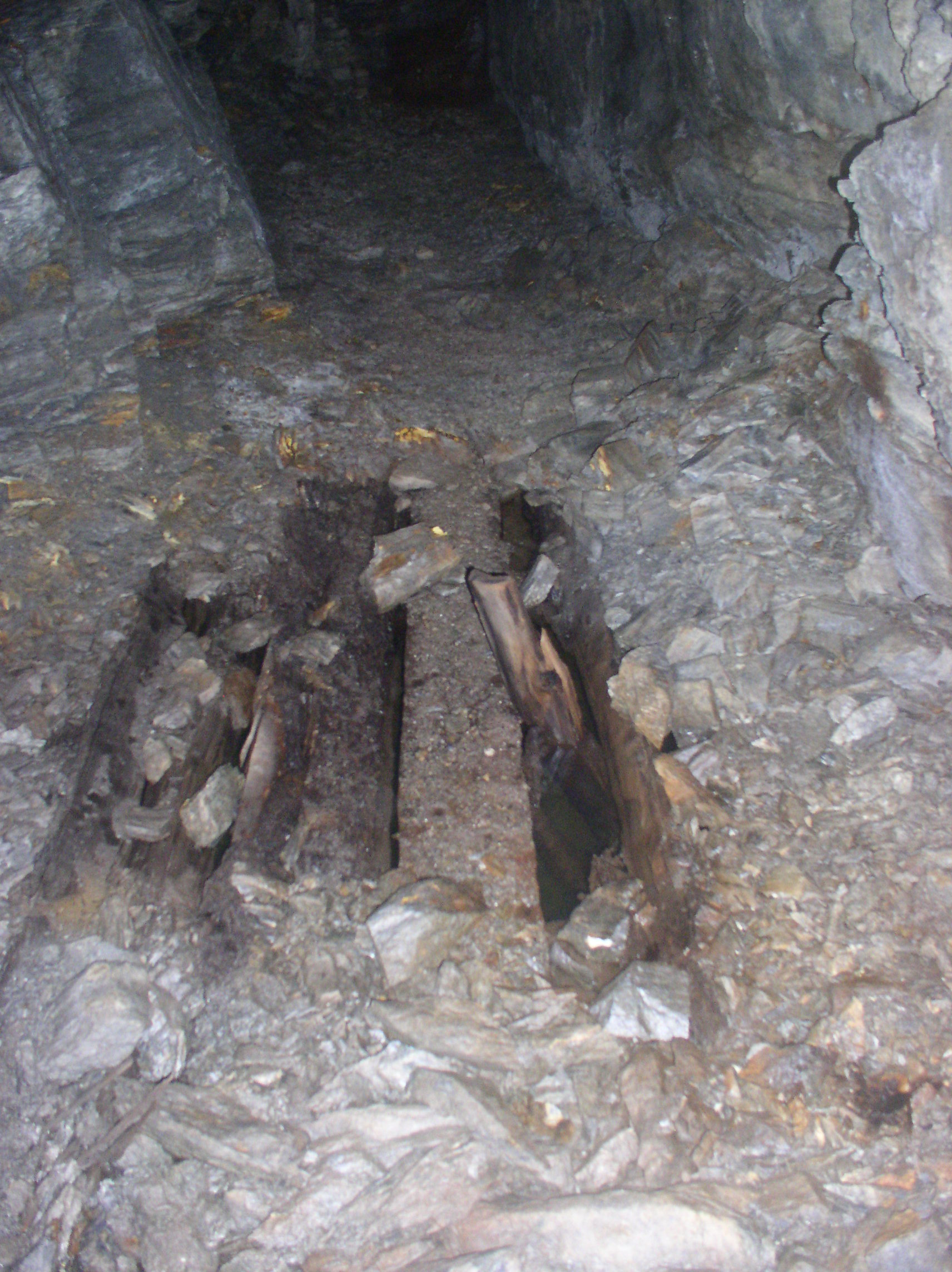
Below is one of the “fun surprises” of old mine tunnels; hidden shafts! You can be walking along, and suddenly the “rock” you think you’re standing on turns out to be a thin layer of mud or dirt over rotten boards and a deep pit. This one is flooded, so at worst you’d get a dunking, but others can drop you into a death trap:

OLYMPUS DIGITAL CAMERA

That’s all I have on the Dano mine for now!


Funter Bay History: Fish Buying Station

May 17, 2013

Independent fishermen in Funter Bay needed a place to sell their catch and buy supplies (fuel, fresh water, and ice). The local cannery would sometimes buy troll-caught fish, but probably paid a low low price since their own traps produced fish nearly free. Trollers were better off selling salmon which would go iced and fresh to Juneau grocery stores and markets. However, the range of the small fishing boats, and the distance from town where the fish were most often found, usually prevented the fishermen from running directly to Juneau to sell.

To support these markets, various fish sellers and middlemen operated buying stations in locations near the fishing grounds. The station at Funter Bay was probably associated with the Juneau Cold Storage, where they brought fish for storage and sale, and procured ice for sale to fishermen. Packers would run the fish in to the cold storage on a regular basis to keep them fresh.

Unloading fish at the Juneau Cold Storage, 1930s:
Juneau Cold Storage
Courtesy of Alaska State Library, Elite Studio collections, P294-020

Another reason for third-party buyers was fish piracy; fishermen would sometimes steal fish from the cannery traps. Canneries banded together to boycott fish from certain “known pirates”, but independent buyers with their own scows and packers quickly sprang up who would take fish from anyone.

Salmon buyers also operated from floating scows (barges). Today, salmon buying stations usually operate (probably with fewer pirates) from scows, packer boats, and occasionally from docks at small communities like Elfin Cove.

Scow (barge with structure on it) and cannery tender at the Thlinket Packing Co dock, 1942:
scow2
Courtesy of Alaska State Library, Butler/Dale collection, P306-1093.

Funter Bay residents Gunner and Lazette Ohman operated a fish buying scow in the area during the 1950s and 60s, buying fish for Art Berthold of the Fern II.
The land-based fish buying station at Funter Bay was located on Highwater Island, which is only an island when high tide covers the sandbar to it (apparently it is called Crab Island in some govt. docs, although I’ve never heard it called that locally). The station had several buildings on the shore, and a long dock with two ramps, circled in the 1948 aerial photo below:
buying station

This location would not have been completely ideal, as it had no streams or running water, but it was in a very sheltered location that protected the dock from most winds. Trollers would fill up on fresh water from a hose running to a stream elsewhere in the bay.

Another aerial from 1948 (on a different date), showing a boat approaching the fish buying dock (the V-shaped wake in the lower right quarter of the image):
wake

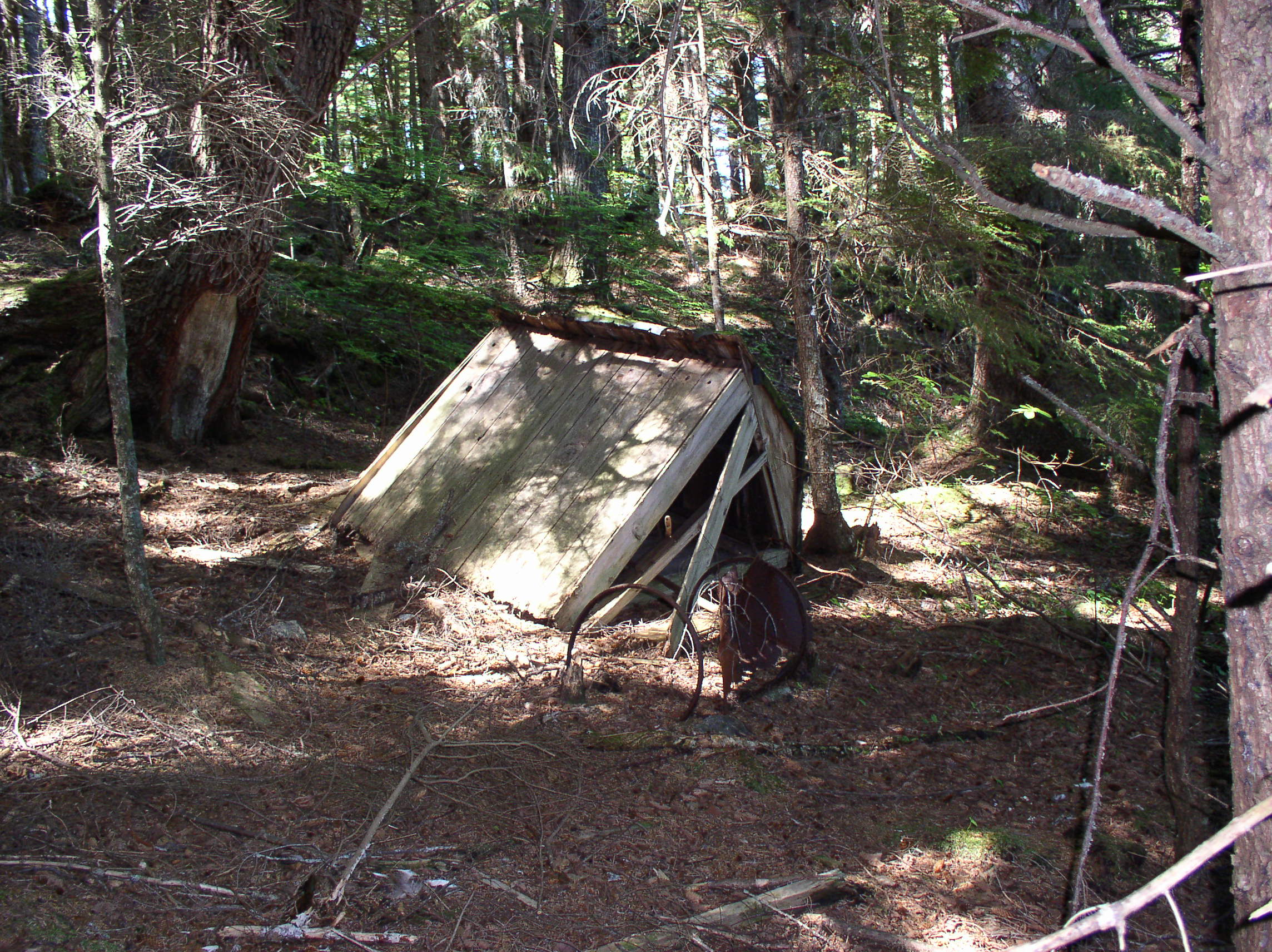
More recently, here is a collapsing shed at the station:
OLYMPUS DIGITAL CAMERA

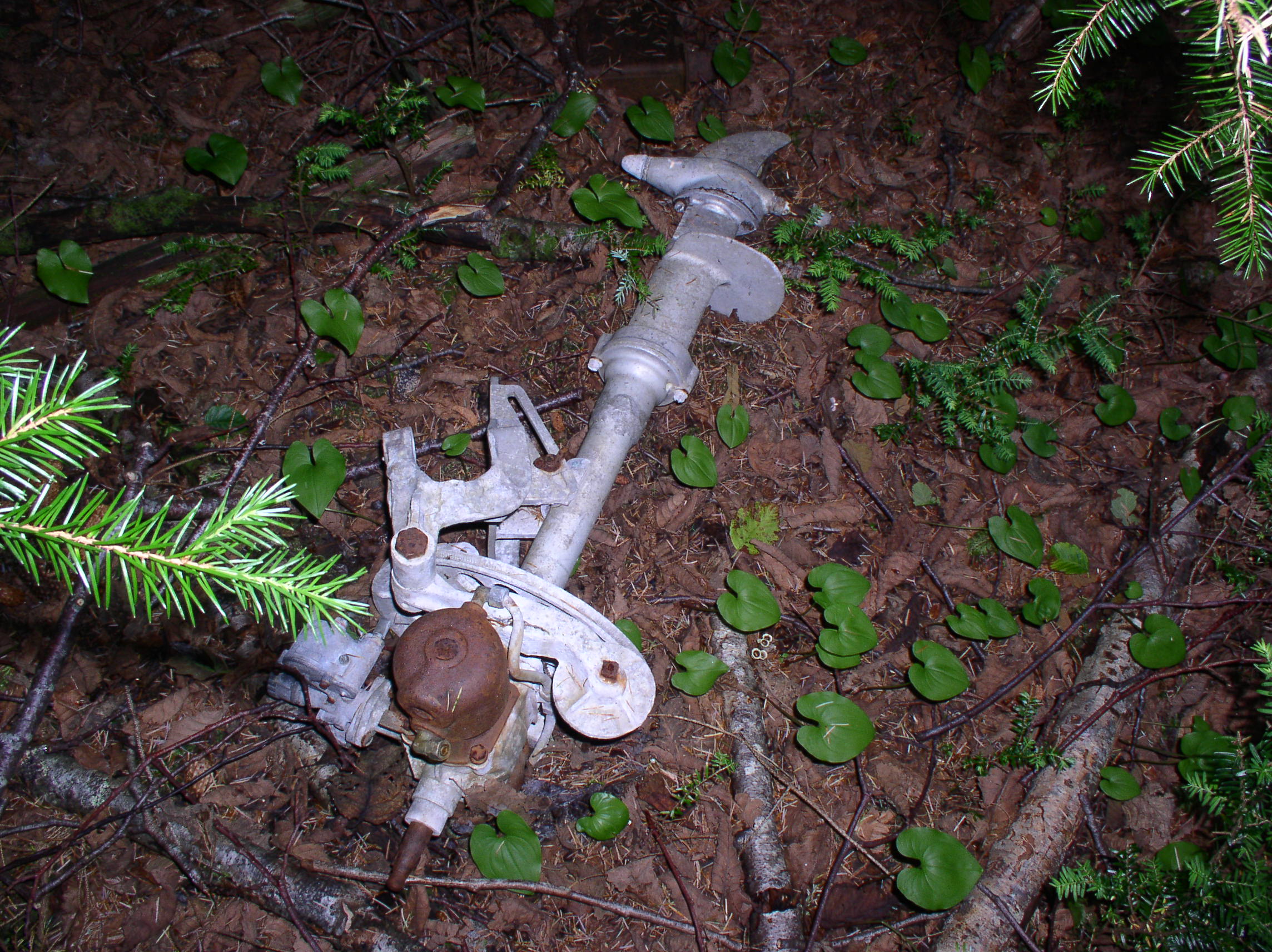
A small outboard motor abandoned in the woods (I always laugh when I go to some yuppie antique store in the Midwest and they’re selling rusty stuff like this for $300, but now I’m a little worried that someone will go nab the thing and stick it on their yuppie wall):
OLYMPUS DIGITAL CAMERA

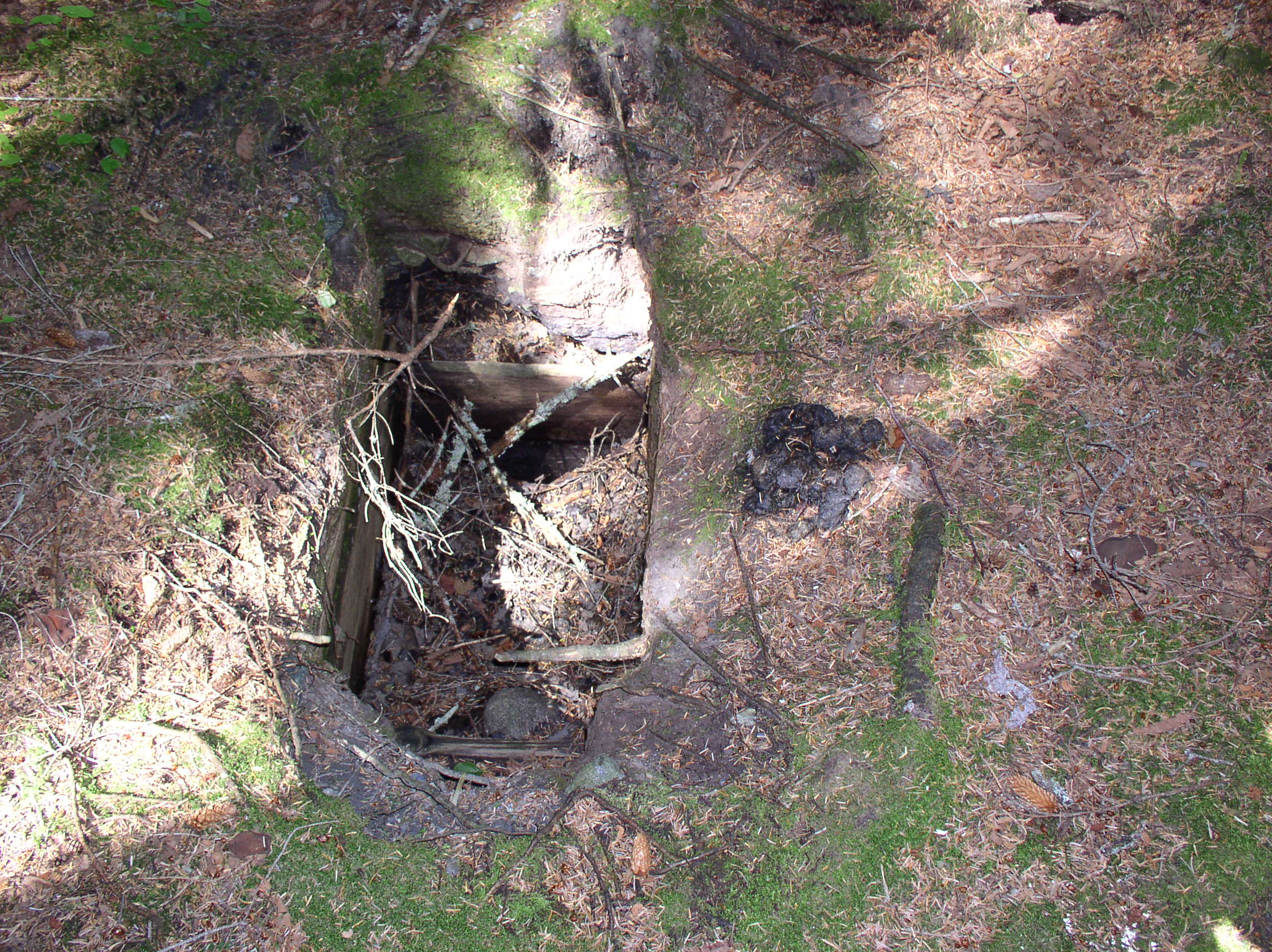
The outhouse pit, apparently bears think the spot is a great bathroom as well, as seen by the dark pile to the right:
OLYMPUS DIGITAL CAMERA

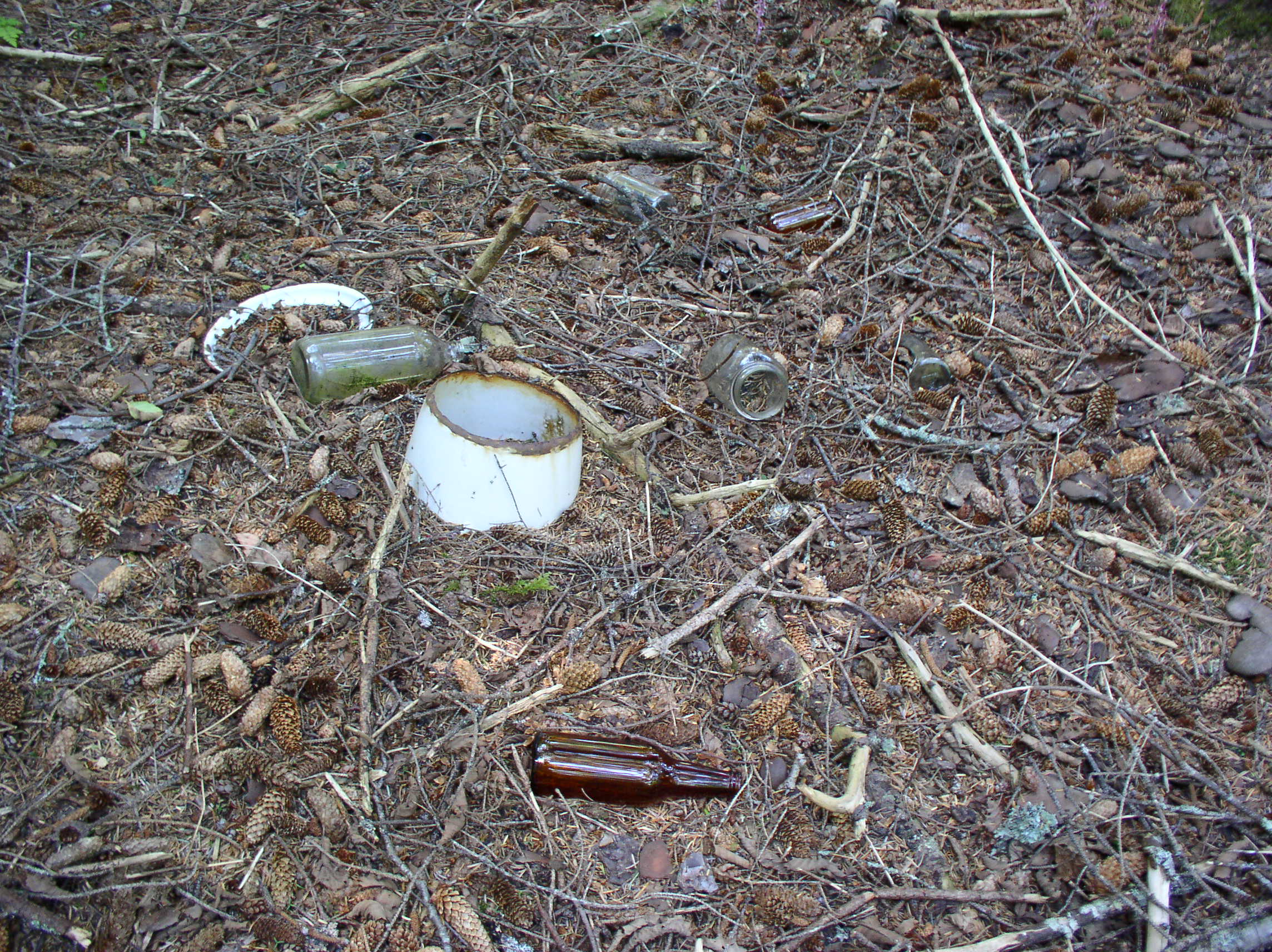
More “junk” in the woods, bottles and trash from the 40s and 50s:
OLYMPUS DIGITAL CAMERA

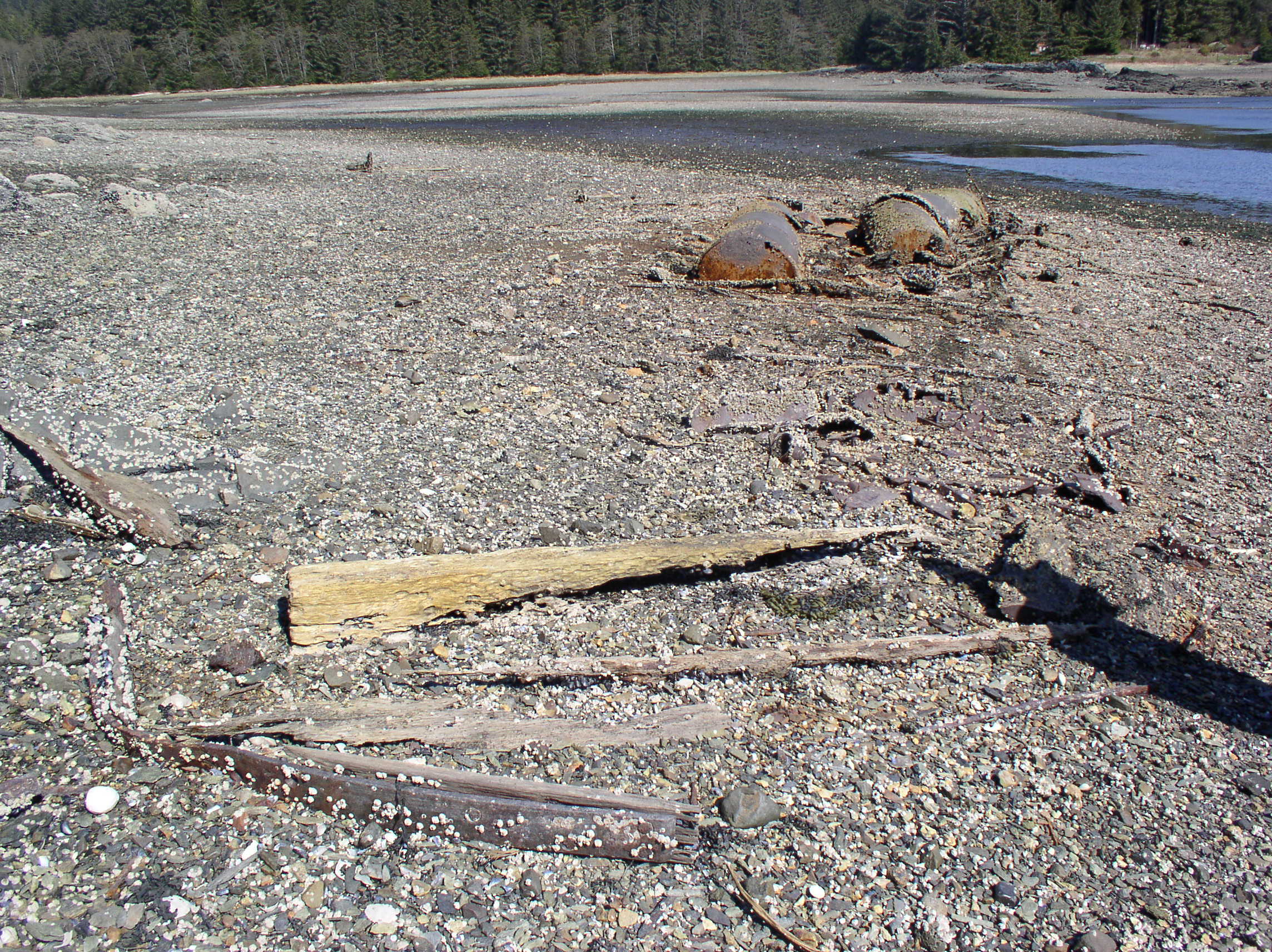
As mentioned before, there is a wrecked boat on the island adjacent to where the dock was sited. It’s locally known as a steam tug, assumed to be a cannery tender, although I’ve not yet been able to find any details on it.
OLYMPUS DIGITAL CAMERA

Coil of cable on the beach, either from the wrecked tug or the fish buying dock:OLYMPUS DIGITAL CAMERA